Have you ever had a meal that felt like a warm hug after a long day of navigating a foreign city?
My first landing in Seoul was a whirlwind of neon lights and towering buildings, but my stomach was craving something specific—comfort. I had heard whispers among local foodies about a “Master of the Wok” hidden in the alleys near Hoehyeon Station.
They told me about a legendary chef who had left and then returned because his customers simply couldn’t live without his cooking. I decided to find out if the legend was true. What I discovered at Yaraehyang wasn’t just a meal; it was a masterclass in texture and tradition. 😊
Seoul is a city that never stops moving, but inside the doors of Yaraehyang, time seems to slow down just enough for you to appreciate the sizzle of a seasoned wok. As a traveler who has tasted my way through many continents, I’ve learned that the best food usually comes from people who treat their craft like a sacred duty.
Yaraehyang is a “Hwasang” restaurant, a term used for Chinese establishments run by generations of Chinese merchants in Korea. These spots are the guardians of a very specific culinary heritage. I felt that heritage the moment I walked in—it’s in the smell of the high-heat fire and the focused silence of the kitchen staff.
The Legend of the Master’s Return 🤔
There’s a bit of drama in the history of this place that I found fascinating. Originally, Yaraehyang operated in Hoehyeon-dong for 14 years. It was a staple, a neighborhood landmark. Then, due to redevelopment, they moved to Dongbu Ichon-dong.
But here is the crazy part: the fans followed them, and the demand was so high that within a year and a half, the master chef decided to return to his original roots in Hoehyeon-dong. Seeing a restaurant make a “comeback” like this told me everything I needed to know about the quality before I even picked up my chopsticks.
When you enter, you’ll notice two floors. The first floor is great for a quick, high-energy lunch, but if you’re with a group, ask for the second floor. It has private rooms that feel much more intimate, which is exactly where I sat when I wanted to escape the afternoon rush.
The Science of the “Air-Pocket” Crunch 📊
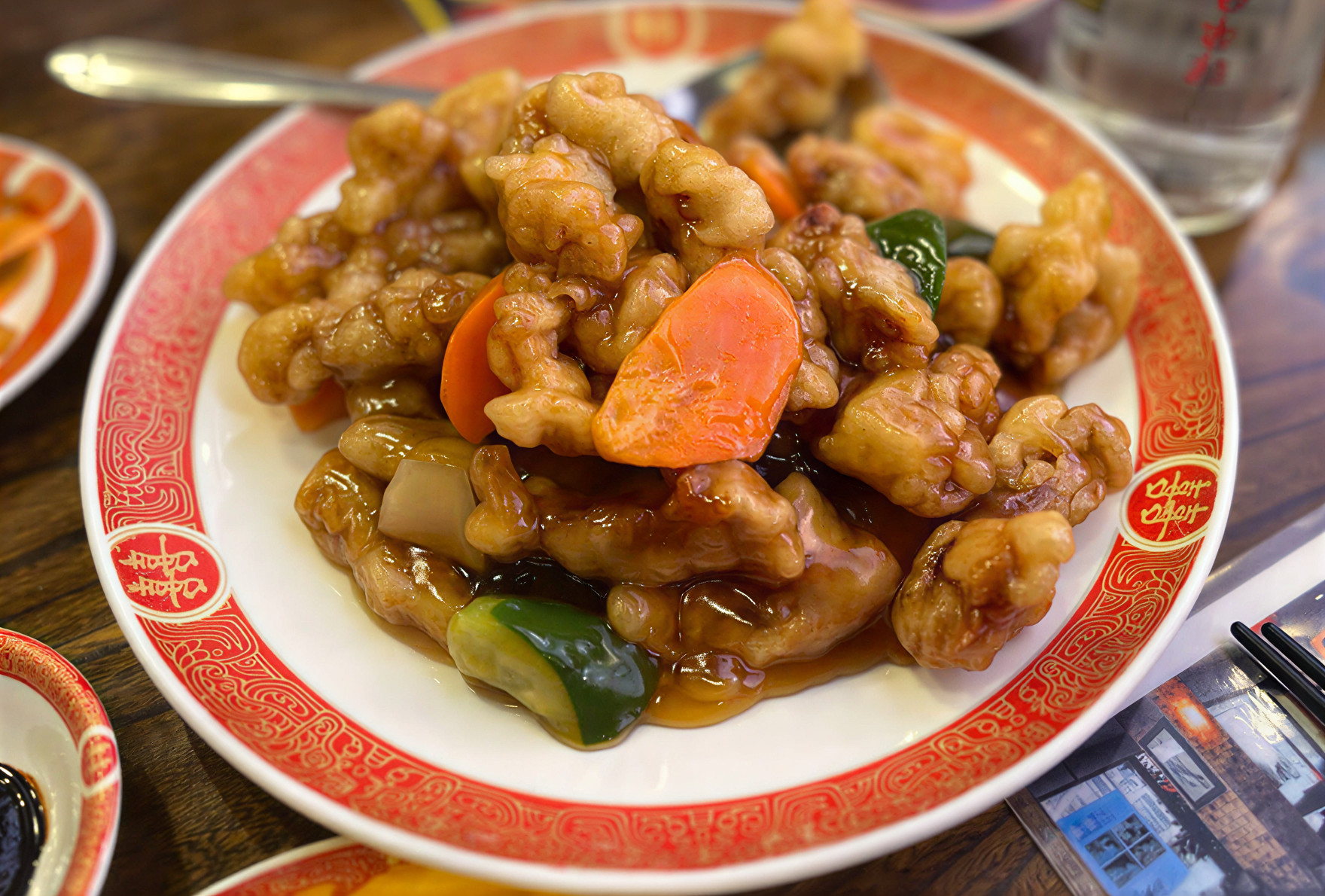
Let’s talk about the dish that brought me here: Tangsuyuk (Sweet and Sour Pork). I’ve had Tangsuyuk in hundreds of places, but this was different. The master uses a specialized technique that creates “air pockets” within the batter.
When I took my first bite, the sound was incredible—a sharp, clean snap. Because of these micro-bubbles in the coating, the sauce doesn’t soak in and make the pork soggy. It stays crispy until the very last piece on the plate. I learned that they even age the meat in water infused with eggplant to ensure it stays tender on the inside.
Quick Price & Menu Comparison
| Signature Menu | Key Highlight | Price (KRW) | My Rating |
|---|---|---|---|
| Tangsuyuk (S) | Air-pocket batter, stays crispy | 22,000 | ⭐⭐⭐⭐⭐ |
| White Oyster Jjamppong | Guangdong-style, fresh oysters | 11,000 | ⭐⭐⭐⭐⭐ |
| Jeon-ga-bok (S) | Luxury seafood medley | 90,000 | ⭐⭐⭐⭐ |
| Garlic King Crab Legs | Spicy garlic, thick meat | 50,000 | ⭐⭐⭐⭐ |
The White Jjamppong Revelation 🧮
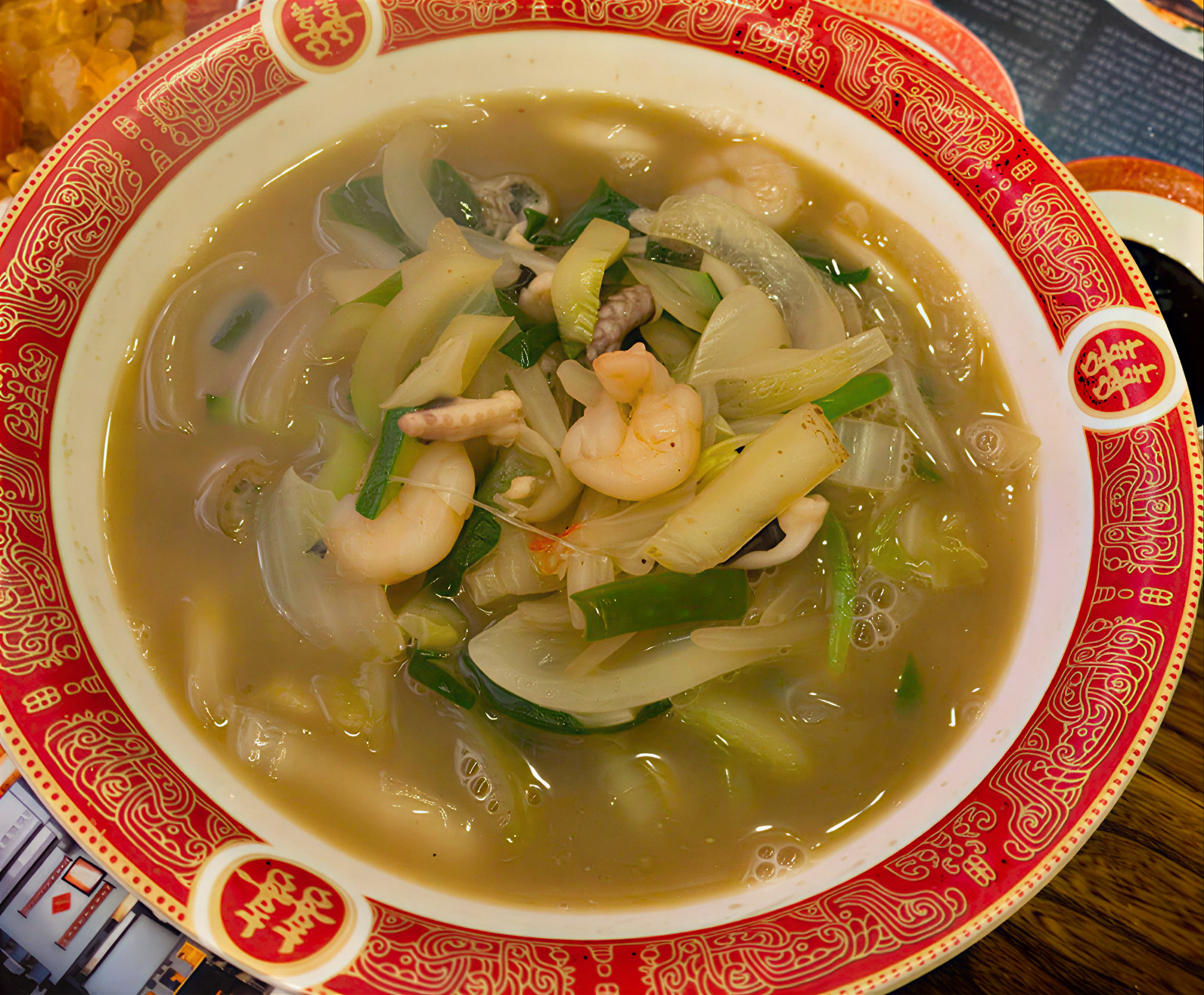
Most people think Jjamppong has to be bright red and spicy to be good. I used to be one of them. But at Yaraehyang, the White Oyster Jjamppong changed my mind. It’s a Guangdong-style dish that focuses on the purity of the seafood.
The broth is clear but incredibly deep. It’s packed with fresh oysters, scallops, and shrimp. I noticed a subtle “fire taste” (Wok Hei) that balanced the sweetness of the seafood perfectly. If you’ve been eating heavy, fried foods all week, this bowl is the ultimate palate cleanser.
📝 The Flavor Balance Formula
Success of the Meal = (Fire Control × Ingredient Freshness) + Master’s 15-Year Instinct
Luxury on a Plate: Jeon-ga-bok 👨💻
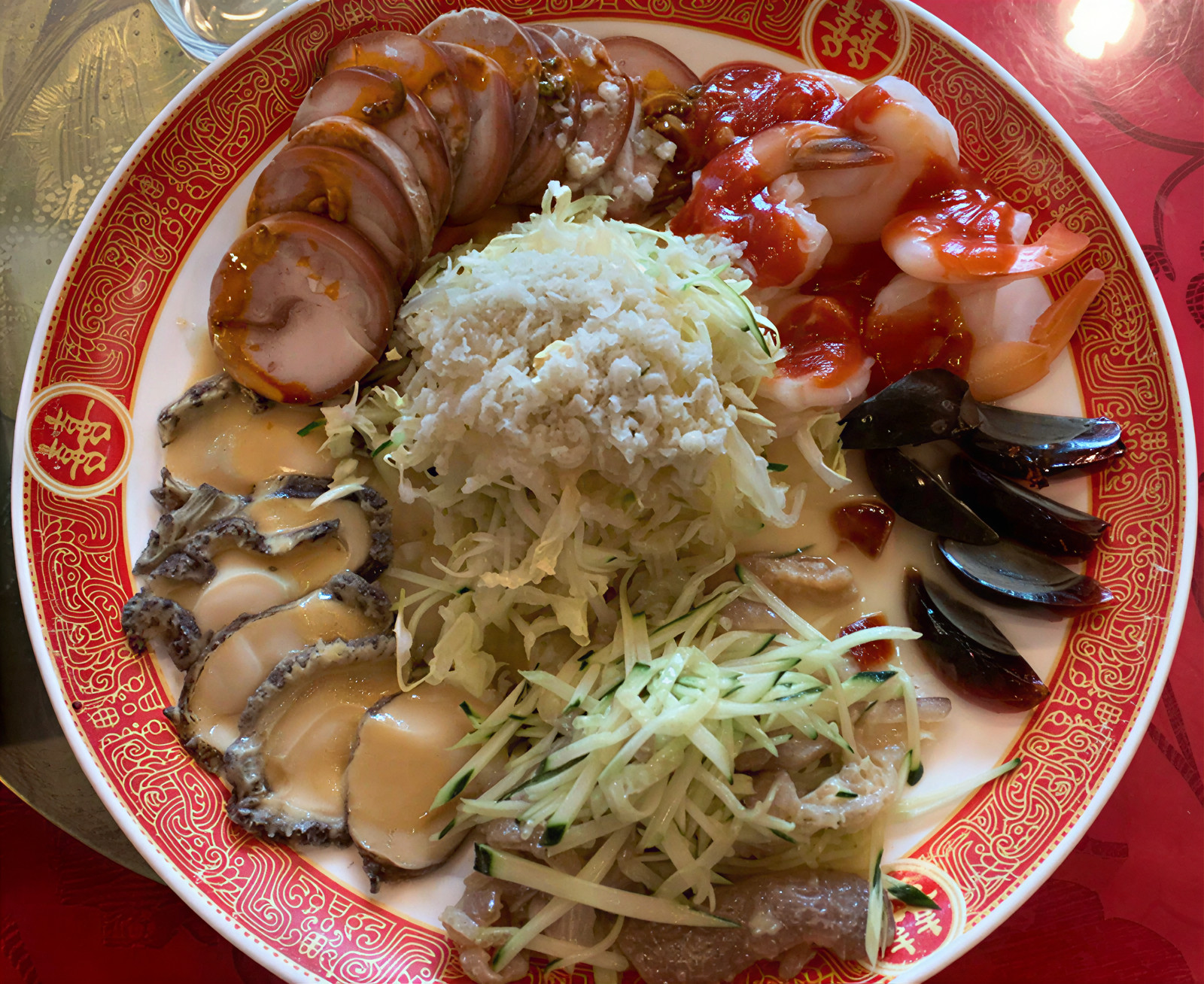
If you’re traveling with family or celebrating a special occasion, you have to try the Jeon-ga-bok. In Korean culture, the name implies a meal that brings happiness to the whole family. It features high-end ingredients like sea cucumber, abalone, and pine mushrooms.
I was impressed by the texture of the sea cucumber—it was perfectly tender without being rubbery. It’s a dish that shows off the chef’s ability to handle delicate textures under high heat. While it is pricey at 90,000 KRW, the quality of the seafood justifies the cost.
The Tangsuyuk here is served “Bok-meok” (sauce already mixed). If you are a strict “Dip-meok” (dipping) person, you might be surprised, but trust the master! The air-pocket technique is specifically designed for this style. Don’t ask for the sauce on the side; you’ll miss the authentic experience.
Real-world Budgeting: What to Expect 📚
To help you plan your visit, I’ve broken down the costs based on my own visits with different group sizes.
Dining Scenarios & Costs
- The Solo Traveler: 1 White Oyster Jjamppong = 11,000 KRW. (Perfect for a quick, high-quality lunch).
- The Hungry Couple: 1 Tangsuyuk (S) + 1 Jjamppong (shared) = 33,000 KRW. (This is my go-to recommendation).
- The Family Feast (4 people): 1 Jeon-ga-bok (S) + 1 Tangsuyuk (S) + 2 Noodles = ~134,000 KRW.
Step-by-Step Ordering Tip
1) Order the Tangsuyuk first to appreciate the crunch while your palate is fresh.
2) Follow up with the White Oyster Jjamppong to cleanse the oiliness with that deep, oceanic broth.
3) Finish with a cup of the provided tea to settle your stomach.
How to Get There Without Getting Lost 🗺️
I made the mistake of wandering toward Namdaemun Market first, but the easiest way is via the subway. Take Line 4 to Hoehyeon Station and use Exit 1. It’s a short 3-5 minute walk from there.
- Rest period exists on weekdays (usually mid-afternoon), so aim for 11:30 AM or 5:30 PM.
- Closed on major holidays (Lunar New Year, Chuseok), but open most other days.
- The “Nan-ja-wan-se” (Minced Pork) is a great alternative if you want something less crunchy and more juicy.
- If you like heat, ask for extra dried peppers in your Jjamppong!
Summary: The Verdict 📝
Yaraehyang isn’t just another Chinese restaurant in a city full of them. It is a place where you can taste the history of Seoul’s Hwasang community and the personal dedication of a master chef who couldn’t stay away from his wok.
Whether you are here for the legendary crunch of the Tangsuyuk or the refreshing depth of the White Jjamppong, you will leave feeling satisfied and respected as a diner. If you find yourself near Myeongdong or Seoul Station, do yourself a favor and make the short trip to Hoehyeon-dong. You won’t regret it! 😊
Yaraehyang Essentials
Frequently Asked Questions ❓
🇰🇷 Essential Official Websites for Traveling to Korea
Apply for Korea Electronic Travel Authorization (K-ETA)
and check official notices before entering Korea.
Official Korail website for international travelers.
Book KTX and other train tickets online.
Guide to KTX reservations, refunds, ticketing rules, and boarding procedures.
View Ticket GuideTicket types, eligibility, and terms for unlimited train travel in Korea.
Check Korail Pass
These buttons link to official tourism websites. They open in a new tab.