I certainly have. After a long night of exploring the city’s vibrant nightlife, I found myself wandering near Hoehyeon Station, desperate for something to revive my senses. That was the day I “discovered” Sogchojib.
It wasn’t just a meal; it was a revelation. The steam rising from the spicy pollack stew felt like a warm hug for my soul. In this guide, I’m sharing my personal journey through their menu—from the legendary Saengtaetang to the crispy Hwangtaegui—so you can experience the same culinary magic without the rookie mistakes I almost made! 😊
Seoul is a city that never sleeps, but it’s also a city that knows how to eat its way back to health. As a long-time resident and travel editor, I’ve been asked countless times: “Where do the locals actually go for real seafood?”
The answer isn’t always the flashy spots in Gangnam or the crowded markets. Sometimes, it’s tucked away in an underground space near a busy subway exit. Sogchojib is exactly that—a sanctuary for those who appreciate the nuances of seasonal Korean seafood.
My First Encounter: More Than Just a Subway Exit 🚇
Finding Sogchojib felt like being initiated into a local secret. Located just 69 meters from Hoehyeon Station (Line 4), Exit 3, it’s incredibly accessible, yet easy to miss if you aren’t looking.
I remember walking down the stairs to the underground level. The air changed from the metallic scent of the subway to the briny, spicy aroma of simmering broth. It was 11:30 AM, and the “lunch rush” was already beginning.
The address is 04634, 3-6 Toegyero 6-gil, Jung-gu, Seoul. Don’t let the “underground” label deter you; in Seoul, some of the most professional and historic eateries are hidden below street level to keep the rent down and the food quality up!
The Star of the Show: Saengtaetang (Fresh Pollack Stew) 🍲
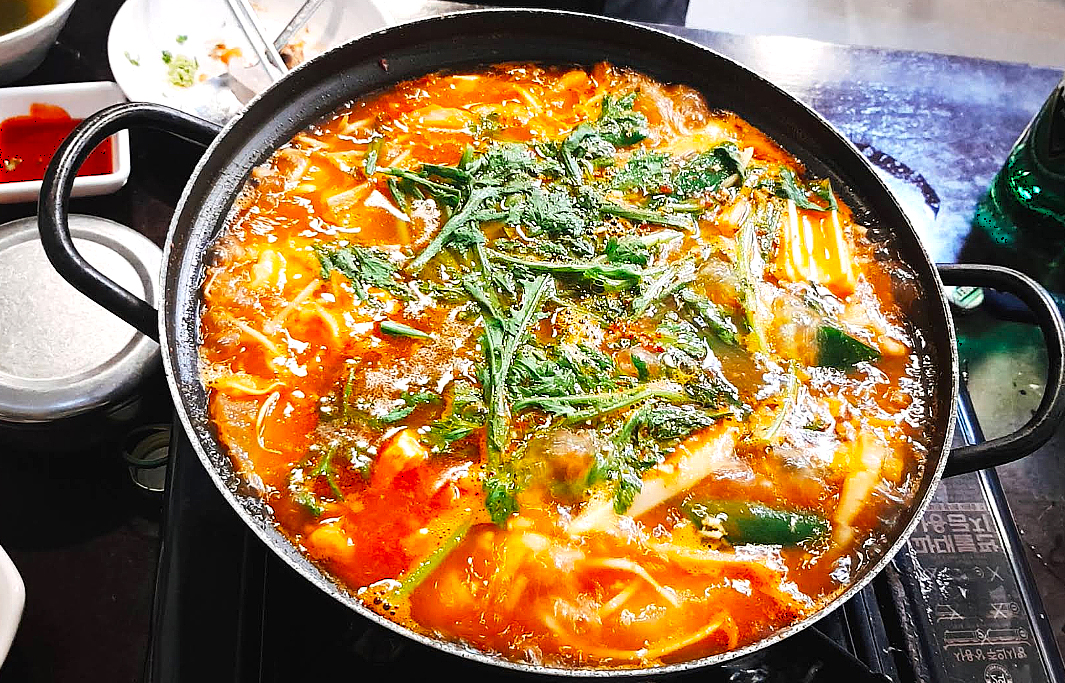
If there is one reason to visit Sogchojib, it is the Saengtaetang. Unlike ‘Dongtae’ (frozen pollack), ‘Saengtae’ refers to fresh pollack. This difference is everything.
When my pot arrived, the first thing I noticed was the clarity of the broth despite its vibrant red color. In Korea, we call this “siwon-hada”—a term that means “refreshing” but in a hot, spicy, and satisfying way.
As I watched the broth bubble, the server explained that they use pollack in its peak season (January) to ensure the highest protein content and the best flavor. This isn’t just food; it’s seasonal medicine designed to detoxify the body and promote diuretic functions.
📝 The Secret to the Perfect Broth
Secret Ratio = Gochujang Base + Deep Doenjang Layer + Rice Water (Ssal-tteumul)
I learned that the chefs at Sogchojib dissolve a tiny amount of soybean paste (Doenjang) in rice water before adding the chili paste. This removes the ‘birenae’ (fishy smell) completely, leaving only the sweet, clean taste of the fish meat.
The Texture Journey: Gon and Myeongnan
For the uninitiated, the internal components like Gon (milt) and Myeongnan (roe) might look intimidating. But trust me, they are the “highlights of the highlight.”
The Gon has a strangely slippery yet firm texture that “pops” slightly when you bite into it. The cooked Myeongnan, now a light apricot color, offers a mild, savory flavor that absorbs the spicy broth perfectly. It’s a textural playground in your mouth!
Sogchojib Menu & Price Guide
| Menu Option | Price (KRW) | Best For… | My Take |
|---|---|---|---|
| Fresh Pollack Stew (Saengtae) | 11,000 | Hangover / Vitality | The absolute must-order item! |
| Grilled Dried Pollack (Hwangtae) | 10,000 | Crunchy Texture Lovers | Crispy and savory side dish. |
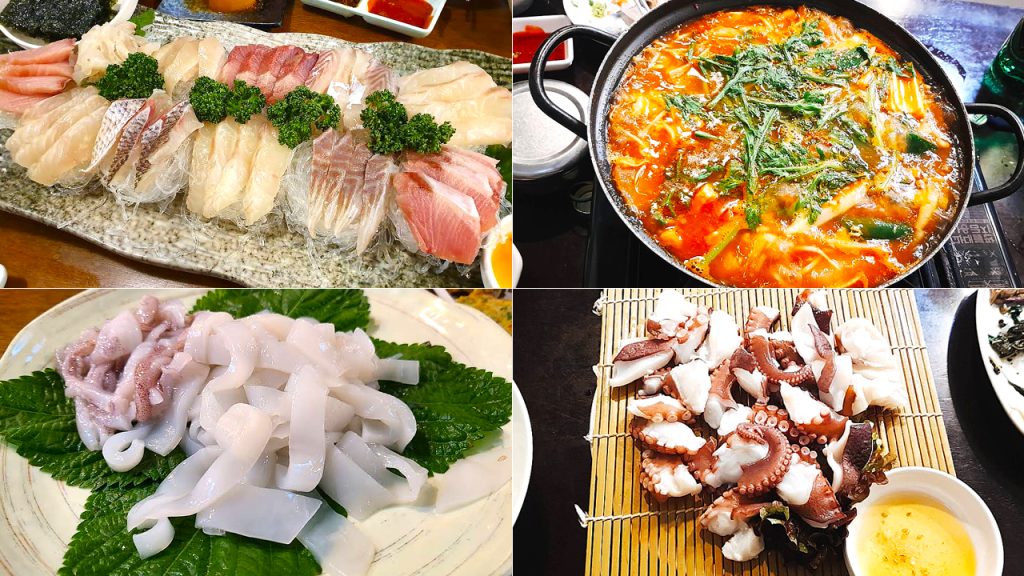
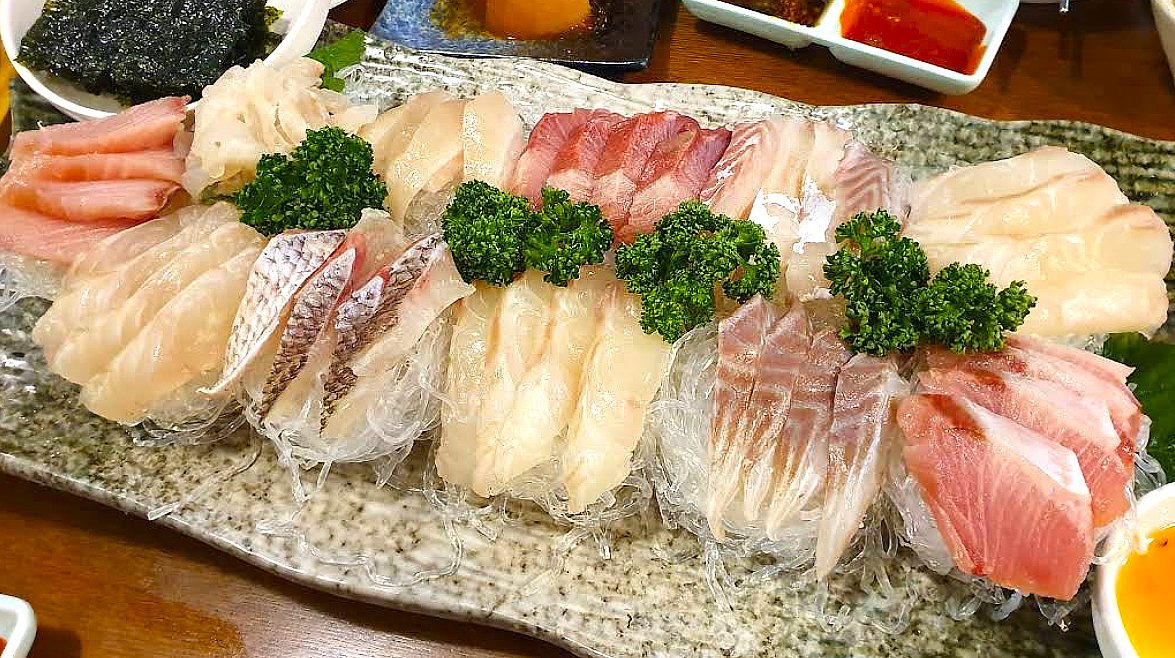
| Assorted Raw Fish (Modumhoe) | 80k – 90k | Dinner / Groups | Incredibly fresh and neat. |
| Seasonal Specialties (Sitkka) | Market Price | Seafood Connoisseurs | Check the price before ordering! |
In many high-end Korean seafood spots, you’ll see “Sitkka” (Market Price). This means the price fluctuates daily based on the catch. Always ask “Olma-yeyo?” (How much is it?) before you commit, as these can sometimes be much higher than the fixed menu items.
The Vibe: Lunch Rush vs. Dinner Socials 📊
I’ve visited Sogchojib during two very different times of day, and the atmosphere shifts dramatically.
Lunch (10:00 AM – 2:00 PM): It’s a battlefield of office workers. You’ll see people in suits sweating over bowls of Saengtae Maeuntang, desperately seeking a cure for last night’s ‘hoesik’ (company dinner). It’s loud, fast-paced, and energetic.
Dinner (5:00 PM – 9:00 PM): The pace slows down. The partitions are pulled, and groups gather for Modumhoe (Assorted Raw Fish) and bottles of Soju. The lighting feels warmer, and the focus shifts to communal sharing.
🔢 Planning Your Group’s Budget
If you’re visiting with a group of three, here is how I usually calculate the cost for a satisfying meal:
1) 2x Saengtae Stew (11k x 2) = 22,000 KRW
2) 1x Hwangtaegui (Grilled) = 10,000 KRW
3) 1x Bukeojjim (Braised) = 10,000 KRW
→ Total for 3 People: 42,000 KRW (Approx. $32 USD). An absolute steal for this quality!
Mistakes I Made (So You Don’t) 👩💼
My first time there, I arrived at exactly 12:10 PM. Big mistake! Every single seat was taken by local regulars. I had to wait in the narrow underground hallway for 20 minutes.
Also, I didn’t realize the Banchan (side dishes) were refillable. The ‘Saengseon Jorim’ (braised fish) served as a side dish is so good it could be a main meal! Don’t be shy—ask for “deo juseyo” (more please).
– Arrive by 11:15 AM or after 1:15 PM for lunch to avoid the peak crush.
– The restaurant has partitions, making it surprisingly good for private-feeling group dinners.
– Try the Gomchi Maeuntang if you want to experience a very unique, “slimy” but delicious deep-sea fish that is a local delicacy.
Summary: Why Sogchojib Stays on My Map 📝
Sogchojib isn’t just a place to eat; it’s a place to observe the rhythm of Seoul life. Whether you’re a tired traveler looking for an energy boost or a seafood lover seeking the freshest catch, this underground gem near Hoehyeon Station delivers every single time.
The combination of professional service, seasonal integrity, and those deep, spicy broths makes it a standout in a city full of options. Next time you’re near Myeongdong or Namdaemun, skip the tourist-focused grills and head underground. Your taste buds (and your soul) will thank you! 😊
Sogchojib Key Takeaways
Frequently Asked Questions (FAQ) ❓
🇰🇷 Essential Official Websites for Traveling to Korea
Apply for Korea Electronic Travel Authorization (K-ETA)
and check official notices before entering Korea.
Official Korail website for international travelers.
Book KTX and other train tickets online.
Guide to KTX reservations, refunds, ticketing rules, and boarding procedures.
View Ticket GuideTicket types, eligibility, and terms for unlimited train travel in Korea.
Check Korail Pass
These buttons link to official tourism websites. They open in a new tab.