Tipping in South Korea: A Local’s Guide to Gratuity Etiquette
I still remember the first time I traveled back to Seoul after spending a few years in the States. I was so used to the 20% math in my head that when I finished a delicious bowl of Galbi-tang, I instinctively left a few thousand-won bills on the table.
As I walked out the door, the server literally chased me down the street, waving the money and looking genuinely concerned that I had forgotten it. It was a classic “rookie mistake” from a local who had forgotten home for a moment! If you’re worried about how much to tip in Korea, let me put your mind at ease: you don’t have to. In fact, in many cases, you shouldn’t. Let me share my personal experiences on how to navigate this refreshing, tip-free culture. 😊

The General Rule: Why Tipping is Non-Existent 🤔
When I talk to my foreign friends visiting Seoul, the most common anxiety they have isn’t about the language barrier or the spicy food—it’s about the bill. Coming from cultures where tipping is mandatory, the idea of paying exactly what is written on the menu feels almost like “stealing” to them.
But here is the thing: in South Korea, the price you see is the price you pay. Period. This is because “Vat” (Value Added Tax) is almost always included in the listed price, and service staff are paid a standardized wage that doesn’t rely on gratuities.
In my years of exploring every corner of this country, from the bustling markets of Busan to the trendy cafes of Gangnam, I have never once been expected to tip. It’s a culture built on hospitality as a standard, not as a premium service.
I’ve never given a tip even once in Korea.
So when I travel abroad, I sometimes feel unsure about how much to tip and end up getting flustered.
Don’t feel pressured or embarrassed about whether you should tip.
Not tipping in Korea is completely normal—just as tipping in the United States is a natural part of everyday life.
If you leave money on the table in a standard restaurant, the staff will likely think you simply forgot your change. They might even feel a sense of “burden” (what we call ‘budam’) if you try to force a tip on them.
The Tipping Landscape: A Quick Comparison 📊
To help you visualize how different the experience is compared to the West, I’ve put together a small breakdown based on my own travels and observations.
| Service Type | Expectation | My Personal Take |
|---|---|---|
| Standard Restaurants | Zero | Pay at the counter on your way out. No math needed. |
| Taxis | None | I usually round up if paying cash, but cards are king. |
| Luxury Hotels | Included | Check for a 10% “Service Charge” already on the bill. |
| Hair Salons | None | Even for complex perms, a “thank you” is the best tip. |
In the Taxi: The “Keep the Change” Culture 🚕
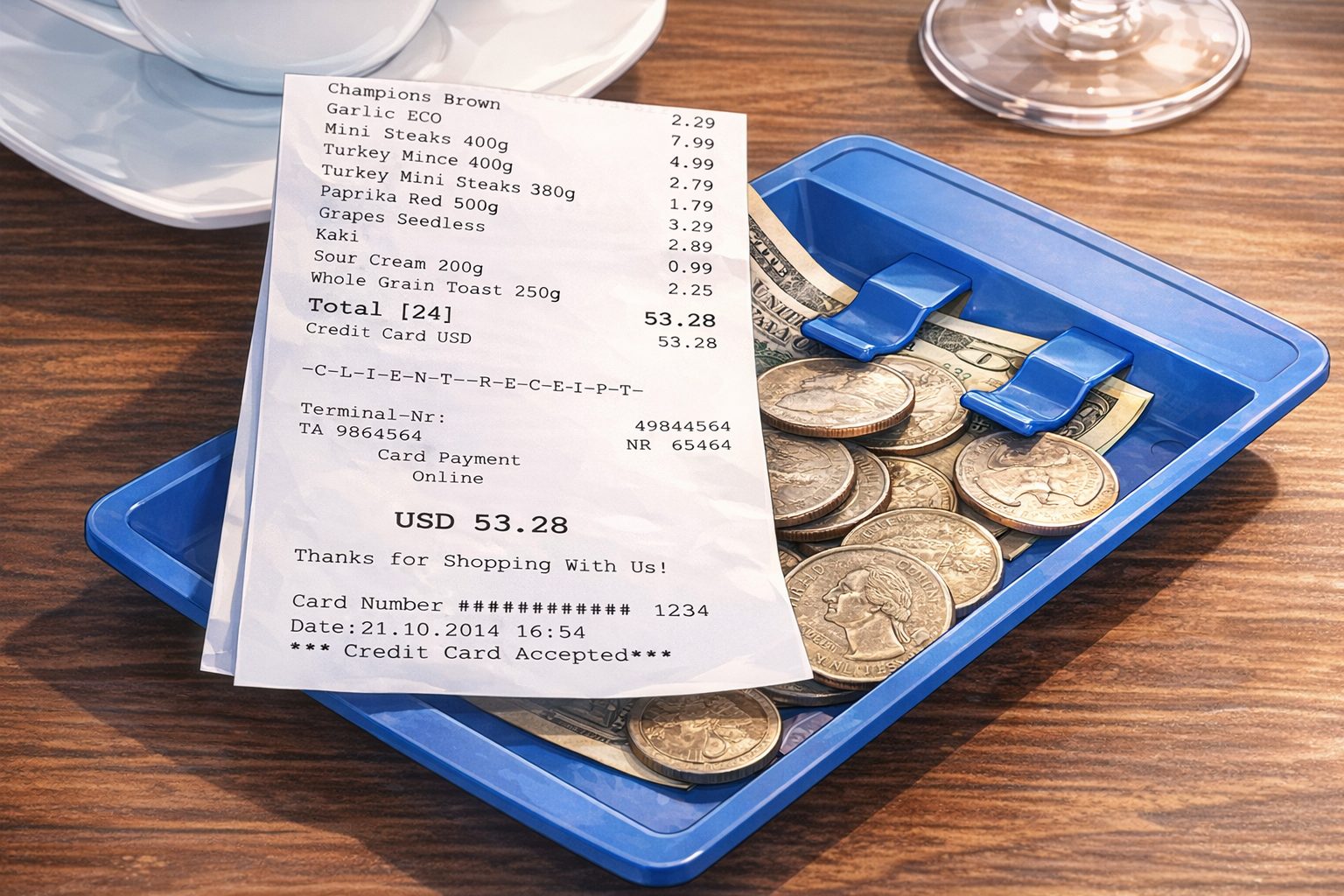
One area where you might feel tempted to tip is in a taxi. My personal habit, especially when I’m in a rush or the driver has been particularly helpful with my heavy suitcases, is to tell them to “Keep the change” (*Jandon-eun gwaenchansseumnida*).
However, since almost all Korean taxis now accept credit cards and T-money cards, this happens less frequently. If your fare is 9,800 won and you pay with a 10,000 won bill, leaving the 200 won change is a small, polite gesture. But if you pay by card, there isn’t even an option on the screen to add a tip. I love this because it removes that awkward pressure at the end of the ride!
Never try to tip at a fast-food joint or a major coffee chain like Starbucks. The employees are literally forbidden from accepting tips, and it creates a very awkward situation for them with their managers.
Luxury Stays & Private Tours 🧮
There are two exceptions where the “No Tipping” rule gets a bit blurry. The first is luxury hotels. When I stay at places like the Shilla or the Four Seasons in Seoul, I notice a 10% service charge and 10% VAT added to my room service or restaurant bill. This is your tip. It’s automated and mandatory.
The second is private tour guides. If I hire a guide for a full day of trekking in Bukhansan or a specialized food tour, and they go above and beyond—like staying an extra hour or taking amazing photos for me—I might give them a small gift or a 20,000–50,000 won gratuity. But even then, it’s not *expected*. It’s a genuine thank-you.
📝 The “Service” Charge Math
Total Bill = (Menu Price × 1.1) — *Only in select luxury venues.*
🔢 Should You Tip? Calculator
The Magic Word: “Service” (Seo-bi-seu) 🎁
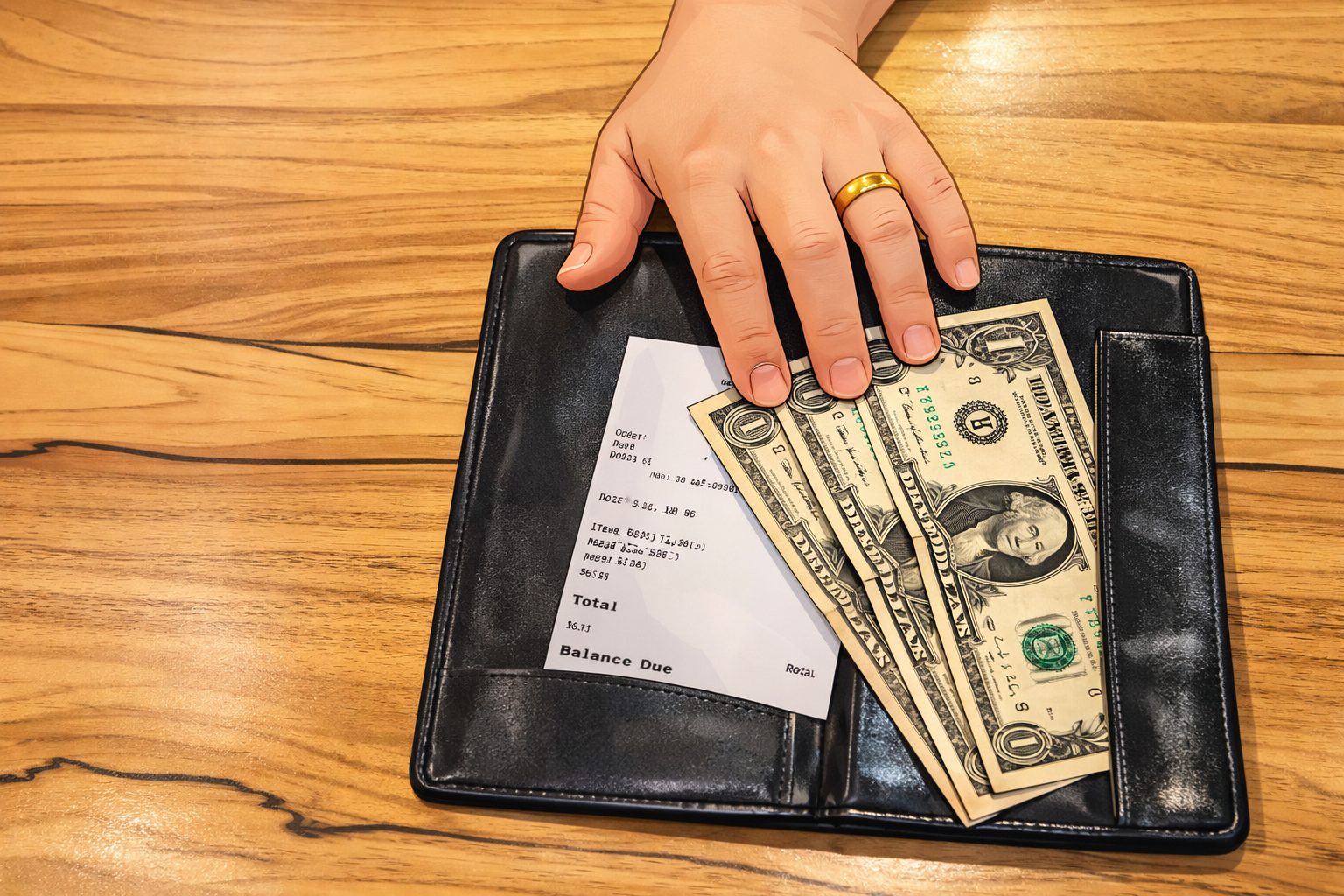
Instead of you giving extra money to the staff, you’ll often find that the staff gives extra things to you! This is a beautiful part of Korean culture called “Service.”
I once went to a fried chicken place with friends. We ordered two buckets. The owner saw how much we were enjoying it and brought out a plate of fries and extra soda for free, saying “Service!” In Korea, being a good customer who enjoys the food is rewarded with kindness, not a higher bill.
Practical Tips for the Bill 👩💼
To ensure you don’t make the same mistakes I’ve seen many travelers make, follow these simple steps when it’s time to pay:
How to Pay Like a Local
- Step 1: Look for the bill on your table. In many places, they leave it there as soon as the food arrives.
- Step 2: Take that slip to the counter near the exit. We don’t usually pay at the table.
- Step 3: Tap your card or hand over cash. The amount on the screen is exactly what you pay.
- Step 4: A simple nod and a “Gamsahamnida” (Thank you) is all the “tip” they need!
Summary: The Ultimate Tipping Cheat Sheet 📝
If you forget everything else, just remember that South Korea is one of the easiest places in the world to manage your travel budget because of the transparent pricing.
Key Takeaways on Tipping
Frequently Asked Questions ❓
I hope this helps you enjoy your trip to Korea without the “tip stress”! If you have any other questions about Korean etiquette or culture, feel free to leave a comment below. I’m always happy to help a fellow traveler navigate my beautiful home country. Happy travels! 😊
🇰🇷 Essential Official Websites for Traveling to Korea
Apply for Korea Electronic Travel Authorization (K-ETA)
and check official notices before entering Korea.
Official Korail website for international travelers.
Book KTX and other train tickets online.
Guide to KTX reservations, refunds, ticketing rules, and boarding procedures.
View Ticket GuideTicket types, eligibility, and terms for unlimited train travel in Korea.
Check Korail Pass
These buttons link to official tourism websites. They open in a new tab.