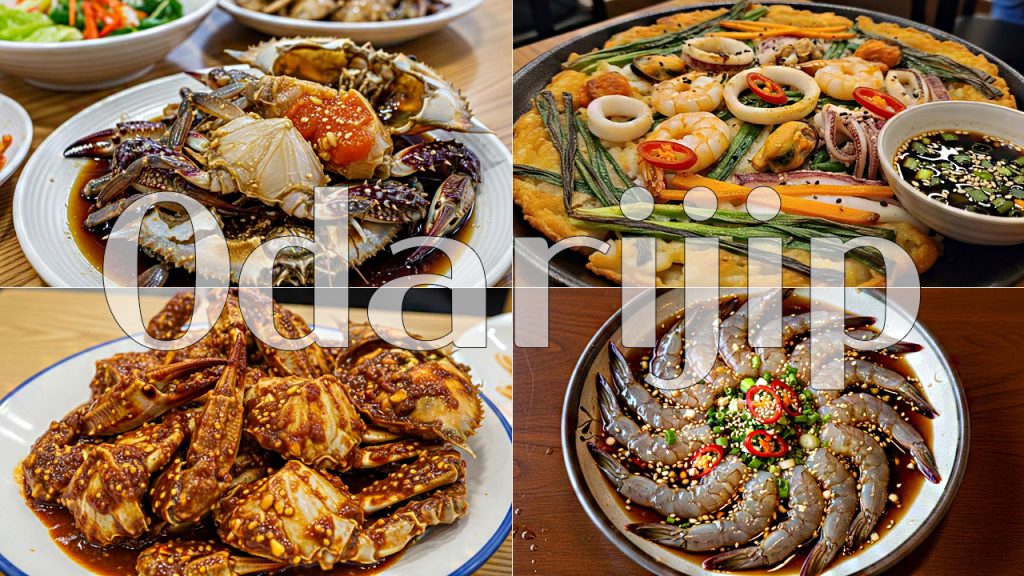
We delve into the menu, history, and the unique factors that make this restaurant a must-visit experience for every food lover.
What does it truly mean to experience an iconic dish in its most authentic setting?
I’m talking about a place where tradition, flavor, and culinary passion perfectly align.
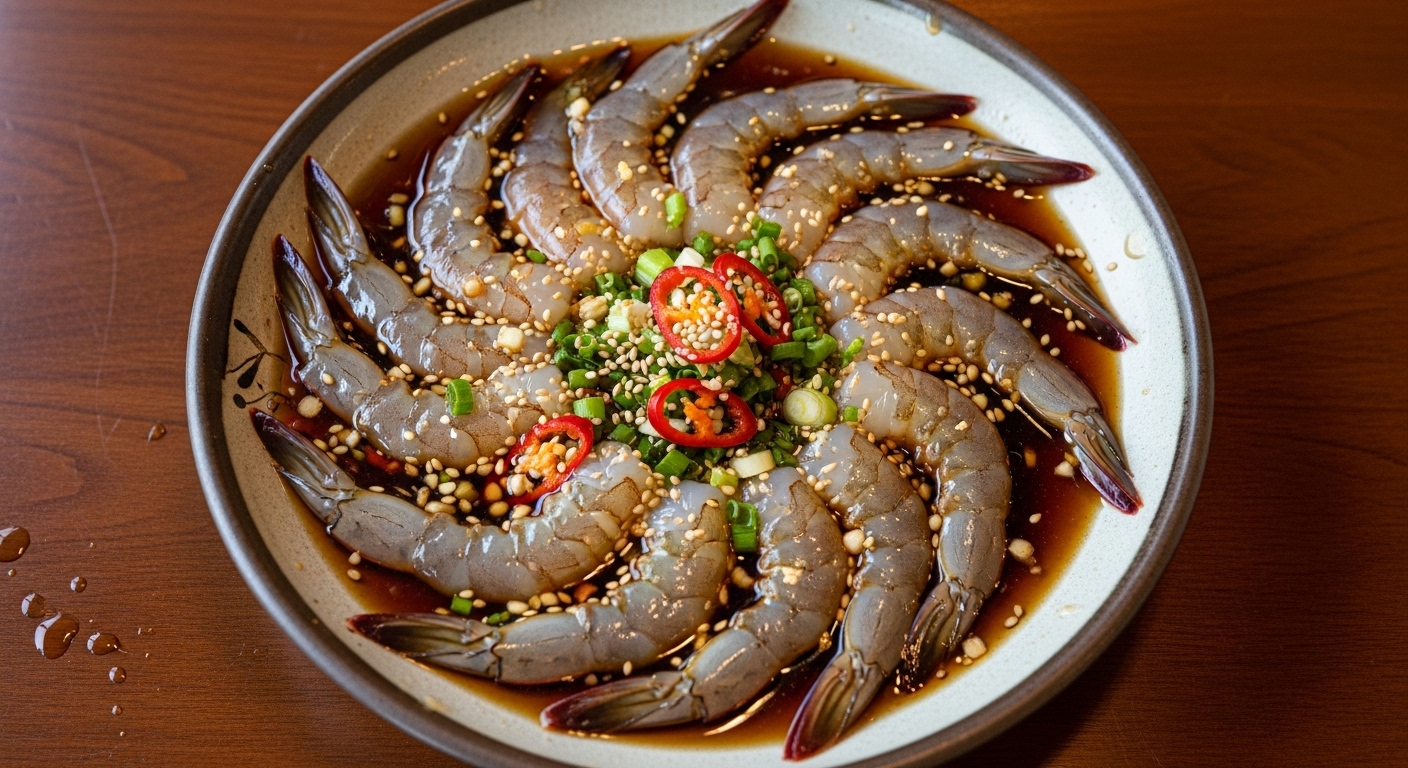
For me in Seoul, that place has always been Odarijip (오다리집). The name is synonymous with Korea’s most polarizing yet deeply loved delicacy: Ganjang Gejang, or raw crab marinated in soy sauce.
If you feel a slight apprehension about eating raw, marinated crab, much like I did on my first trip to Seoul,
you are not alone. I completely understand the hesitation that comes with trying such a culturally unique dish.
But what if I told you that Odarijip doesn’t just serve Ganjang Gejang—it offers a transformative experience that turns skeptics into lifelong fans?
This guide is meticulously crafted to help you not only find this hidden gem but also to navigate the menu wisely and truly savor every moment of your meal.
We will go beyond just the address, exploring the history, the culinary science, and the pure joy of dining at this Myeongdong institution. Let’s make your visit to Odarijip unforgettable! 🦀🥢
Section 1: The Odarijip Legacy — A Myeongdong Culinary Landmark 🇰🇷
To truly appreciate Odarijip, you must understand its stature within Seoul’s vibrant culinary landscape.
Located in the heart of Myeongdong, a bustling and ever-changing commercial hub, Odarijip stands as a quiet, firm pillar of traditional Korean cuisine amidst the trendy shops and street food.
I always marvel at how some restaurants manage to maintain their original charm and recipes over decades.
Odarijip is one of those rare places where the commitment to quality and traditional preparation methods has never wavered.
The restaurant has garnered its reputation, both nationally and internationally, primarily through its mastery of Ganjang Gejang.
It is not just a meal; it is a taste of history, a direct link to the meticulous, slow-food approach that defines the finest Korean *hansik* and regional specialties.
Odarijip is highly accessible, situated in Myeongdong, a key tourist and shopping district.
However, the restaurant itself maintains a cozy, authentic atmosphere that feels removed from the commercial bustle outside, providing a peaceful sanctuary for a traditional meal.
The difference is immediately noticeable when you step inside.
The decor is humble, unpretentious, and focused solely on the food and the comfort of the diners.
This is a place where the staff treat the ingredients with respect, and this care is evident in every side dish (*banchan*) that accompanies your main meal.
I judge a great Korean restaurant by its *banchan*, and Odarijip never disappoints with its array of colorful, fresh small plates.
This historical context is important: you are dining at a location that has perfected a challenging dish over generations.
This is not a fleeting trend; it is a deeply rooted cultural experience that simply cannot be replicated with the same level of expertise and passion elsewhere in Seoul.
Section 2: Ganjang Gejang – The Crown Jewel of Rice Thieves 🍚
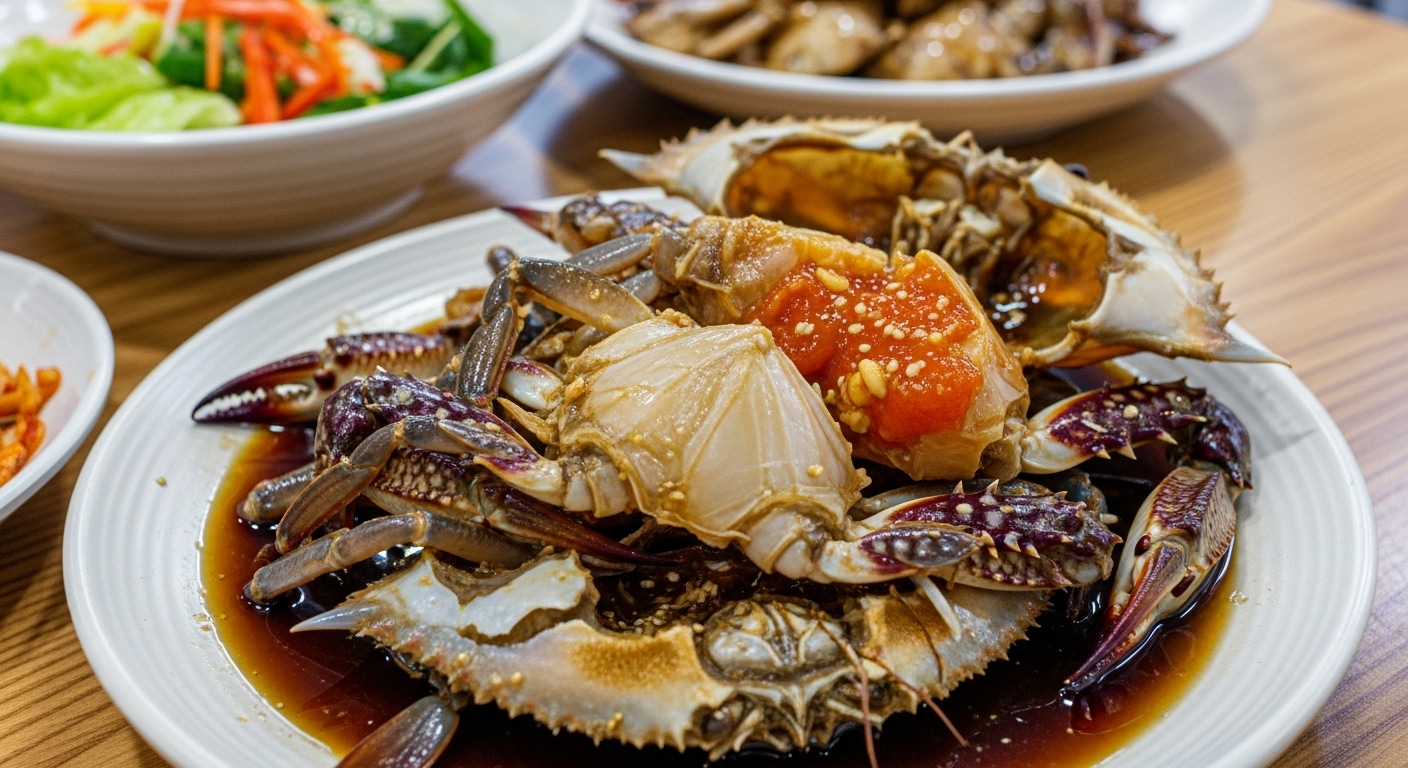
The star of the show at Odarijip is undoubtedly Ganjang Gejang.
For the unfamiliar, this dish features raw blue crabs marinated in a complex soy sauce mixture that includes soy sauce, ginger, garlic, and sometimes chili pepper for a balanced sweet and savory profile.
Koreans call this food “Bap-doduk,” which literally means “rice thief,” because the intense, rich flavor of the marinade and the tender, jelly-like texture of the crab roe are so compelling that they make you consume bowl after bowl of rice just to go along with the crab.
I can personally attest to this; self-control is required!
The Art of Odarijip’s Marinade
What sets the Odarijip version apart from others is entirely down to their signature soy sauce base.
The secret lies in the aging time and the balance of ingredients.
The marinade must penetrate the firm crab meat without overpowering the delicate sea flavor.
They achieve perfect balance: a deep umami that hints at tradition, a subtle sweetness, and a clean, refreshing finish that mitigates any raw or ‘fishy’ taste.
The crabs themselves are of the highest quality, selected carefully to ensure peak freshness and maximum roe content, especially during optimal crabbing seasons.
This attention to raw material sourcing is absolutely critical for a raw dish, and Odarijip’s reputation is a testament to their commitment to using only the best.
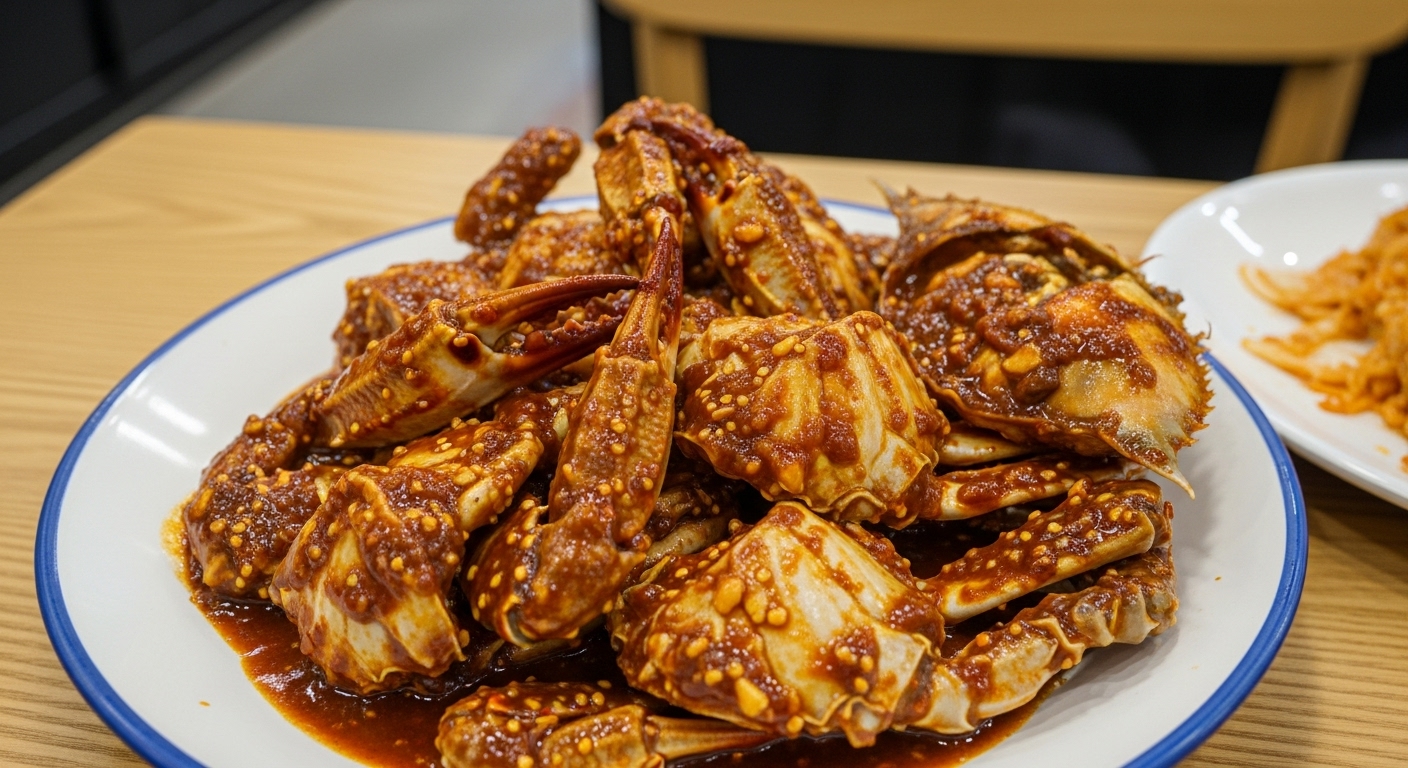
Ganjang Gejang vs. Yangnyeom Gejang
| Criteria | Ganjang Gejang (Soy) | Yangnyeom Gejang (Spicy) | Odarijip Focus |
|---|---|---|---|
| Primary Flavor | Salty Soy, Umami, Sweetness | Spicy Chili Powder Paste, Sweet, Tangy | Ganjang Gejang (Traditional favorite) |
| Aromatic Profile | Clean, subtle ginger/garlic notes | Strong chili, sesame oil, pungent flavor | Focus on delicate crab flavor |
| Appearance | Glossy brown from soy marinade | Bright red, thickly coated in chili paste | Visually simple, flavor-focused |
The price for Ganjang Gejang sets can vary significantly, ranging approximately from ₩30,000 to over ₩90,000 depending on the crab size and set type (e.g., premium/XXL sets might cost ₩49,000 to ₩90,000+ per person). It is highly recommended to check the official menu board upon ordering for the exact prices and current offerings.
Ganjang Gejang is a raw seafood dish.
As with all raw foods, it is crucial to dine at a restaurant with an impeccable reputation for freshness and preparation standards, which Odarijip maintains.
If you have a compromised immune system or are pregnant, it is generally advised to avoid raw foods.
Section 3: Beyond the Crab — Exploring the Full Menu 🍜
While Ganjang Gejang is the main event, Odarijip provides a fantastic, well-rounded menu to ensure everyone at the table is satisfied.
Even if someone in your party is hesitant about raw crab, there are equally delicious cooked options available.
My personal recommendation for first-timers or mixed groups is to opt for one of their Set Menus or Combination Menus.
This allows you to taste the legendary Ganjang Gejang alongside cooked dishes deeply rooted in Korean culinary tradition.
Note on Side Dishes/Sets: Depending on the set and season, accompanying dishes such as Albap (Fish Roe Rice), Steamed Egg (Gyeranjjim), or Stews (Jjigae) are often included (availability and composition are subject to change).
Other Odarijip Menu Highlights
-
Yangnyeom Galbi (Marinated Beef Ribs):
An option that ranks high on Odarijip’s popularity list and is a perfect cooked meat alternative for non-seafood eaters.
These sweet and savory marinated beef ribs provide a completely different but equally satisfying experience from the *gejang* and are particularly popular with children and foreign visitors. -
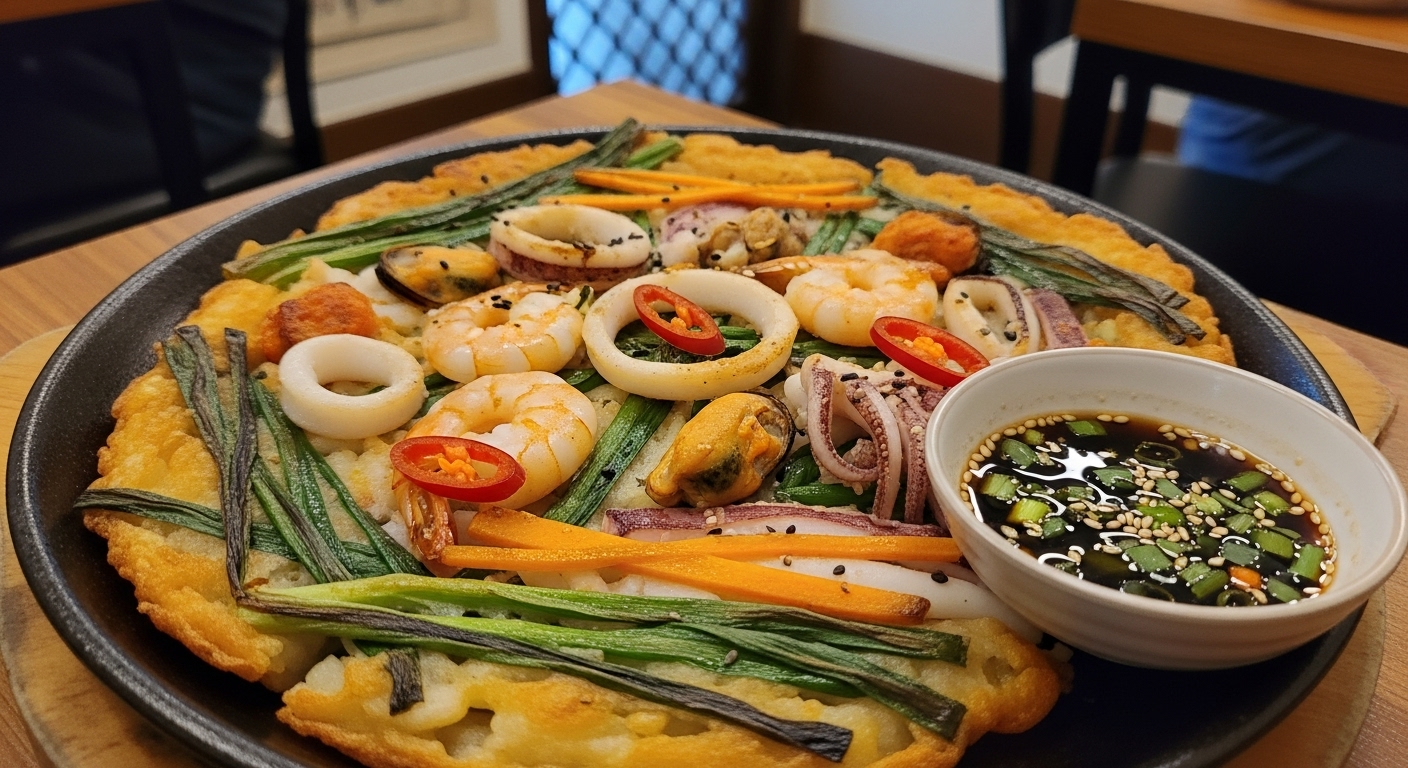
Haemul Pajeon (Seafood Green Onion Pancake):
A classic Korean savory pancake, crispy on the edges and soft inside, loaded with fresh seafood and scallions.
I find the light, crisp texture and savory flavor pair wonderfully with the richness of either the *gejang* or the *galbi*.
Section 4: The Ritual — How to Properly Eat Ganjang Gejang 🥢
Eating Ganjang Gejang is not just consumption; it’s an act of reverence—a true Korean dining ritual.
Knowing the right technique will significantly enhance your enjoyment and help you understand why this dish is so revered.
Mastering the Crab-Eating Process Step-by-Step
Follow these steps for the ultimate “Rice Thief” experience:
-
The Squeeze: Pick up a half-piece of the crab.
Hold the shell in your teeth and use your thumb and forefinger to gently squeeze the remaining contents into your mouth, sucking out the meat and roe.
The texture is soft, creamy, and jelly-like—a pure burst of flavor! -
The Carapace Mix: After eating the body pieces, use a spoon to scrape out any remaining roe and marinade from the large, round carapace (the crab shell).
Then, take a generous spoonful of warm white rice and place it inside the shell. -
The Mix and Scoop: Use your spoon to vigorously mix the rice with the creamy yellow/orange roe and the thick soy sauce marinade left in the shell.
This is the legendary Ultimate Bite—the rich, umami-packed combination that earned the dish its “Rice Thief” nickname. -
The Seaweed Wrap: Take a small amount of the mixed rice and wrap it in the dried seaweed (*gim*) provided as *banchan*.
The crisp seaweed adds a wonderful textural contrast and another layer of ocean flavor.
Personal Anecdote: My First Odarijip Visit
I remember my first time trying Ganjang Gejang at Odarijip.
I was nervous, but the moment I squeezed the meat onto the rice and took that first savory, slightly sweet bite, I was hooked.
My friend, who insisted on having the cooked beef ribs, was skeptical at first but ended up stealing spoonfuls of my mixed roe rice!
It’s a dish that transcends cultural barriers once you get past the initial perception of ‘raw.’
The staff, with a smile, guided us through the process.
Don’t hesitate to ask for help; they are accustomed to foreign diners!
Section 5: Practical Visit Guide — Location and Logistics 🗺️
Odarijip is quite easy to find, thanks to its prime Myeongdong location.
However, navigating the Myeongdong side streets can be tricky, so it’s important to pay attention to directions, especially during peak shopping hours.
The restaurant is located in Savoy Hotel Building B, Floors 2-3 (Some guidance also mentions 4F), situated slightly away from the main thoroughfare.
This location on multiple floors helps manage the flow of diners, but be sure to look for the correct building!
I always recommend taking public transport in Seoul—it’s fast, clean, and efficient.
The restaurant is most conveniently accessed by foot from Myeongdong Station (Subway Line 4), Exit 6 (or Exit 5), followed by a 3-5 minute walk. Exit 6 is often the officially recommended path.
Odarijip’s typical operating hours are generally around 8:10 AM to 12:00 AM (Midnight). However, these hours may vary across different platforms or during public holidays/peak seasons. It is highly recommended to check by phone or Instagram (sameAs link) before visiting.
Since it’s a popular spot, visiting just before or after peak meal times (early afternoon) will help you avoid long waits.
I strongly recommend checking if they take reservations for peak weekend dinner times, or plan to arrive just before the typical Korean dinner hour (around 5:30 PM).
This will ensure a much calmer and more enjoyable start to your meal!
Section 6: The Calculator Challenge – Budgeting for Your ‘Rice Thief’ Feast 💸
Let’s be honest: quality seafood, especially a specialty like Ganjang Gejang, isn’t always cheap.
To help you plan your visit without surprises, I’ve created a simple cost calculator model to estimate your total meal expense based on your party size and dish choices.
The prices here are representative estimates and can fluctuate, but this model gives you a solid framework for budgeting for this authentic Korean dining experience.
Remember to factor in your drink choices, as a cold Soju or Makgeolli pairs perfectly with the crab!
🔢 Odarijip Estimated Meal Cost Calculator
(Estimated Ganjang Gejang Set Price: ₩35,000 / Estimated Cooked Dish Average Price: ₩25,000)
Section 7: Visual Summary & Key Takeaways 🏆
As we conclude our deep dive into Odarijip, I hope you feel a little more confident and a lot more excited about your upcoming culinary adventure.
This summary is perfect for a quick refresh right before you head out the door!
As we wrap up our in-depth exploration of Odarijip, I hope you feel a little more confident and a lot more excited about your upcoming culinary adventure.
Visiting this institution is more than just having a meal—it's participating in a vital part of Korea's gastronomic heritage.
The rich history, the meticulous preparation of the Ganjang Gejang, and the friendly, welcoming atmosphere all combine to create a truly unique dining experience.
Don't let hesitation hold you back. Step out of your comfort zone, embrace the squeeze, and become a fellow "Rice Thief"!
I'd love to hear about your experience!
Have you been to Odarijip, or are you planning your first visit?
Let me know in the comments below if you have any questions or tips to share. Happy eating! 😊