Have you ever searched for a restaurant that offers more than just a meal, but a genuine slice of history and a truly classic taste?
If you have, you’re not alone, and I might have just found the perfect spot for you right here in the heart of Seoul!
Korean-Chinese cuisine holds such a fascinating place in our culture, ranging from the universally loved and affordable ‘Jajangmyeon’ and ‘Jjamppong’ to elegant, traditional full-course Chinese dining.
Today, we’re diving deep into an institution that represents the very root of this culinary tradition: Andongjang.
For many, Chinese food means affordability and comfort, epitomized by dishes like Jajangmyeon (black bean noodles), which itself evolved from the Chinese ‘Zha Jiang Mian’ with the addition of caramel and water to perfectly suit the Korean palate.
This humble yet beloved dish quickly spread from Incheon to the rest of the country, becoming a deeply embedded part of the common person’s diet—a symbol of longing during impoverished times and a traditional staple for moving days.
Andongjang isn’t just serving food; it’s serving decades of heritage, having maintained its signature classic tastes since it first opened its doors in 1948.
I’m excited to walk you through what makes this place a must-visit, especially for its renowned oyster noodle soup! 🍜

A Timeless Institution: Andongjang’s Legacy
Stepping into Andongjang feels like walking into a living museum of Korean-Chinese culinary history.
It holds the distinct honor of being the longest-existing Chinese restaurant in South Korea, a title earned by its unwavering presence since its establishment in 1948.
Think about that year for a moment; it’s a testament to the restaurant’s resilience and the timeless appeal of its cuisine.
The fact that it has continuously operated and served its classic flavors through decades of social, economic, and political change is truly remarkable.
The moment you enter, the restaurant’s history is palpable, revealing its age and heritage in subtle yet powerful ways.
You’ll notice the signs of time on display, from the old signboards hanging on the walls to small details like a few handwritten menu items scattered here and there.
Beyond the physical artifacts, the atmosphere is enriched by its clientele.
It’s common to see a number of elderly patrons who appear to be long-time regulars, indicating a deep, generational loyalty that few modern restaurants can claim.
It is this rich atmosphere that assures you that you are not simply dining; you are participating in a tradition.
This long history also speaks to the consistent quality of the food; maintaining a business for over seven decades means they have certainly mastered their craft.
The spirit of ‘old taste’ (옛 맛) is not just a marketing phrase here; it’s the core identity.
This commitment to classic preparation methods and ingredients ensures that the flavor profile you experience today is the same one that comforted diners more than half a century ago.
For any traveler or local looking to truly understand Seoul’s diverse food landscape, a visit to Andongjang is non-negotiable.
It offers a direct link to the past, a unique perspective on the evolution of Chinese food in Korea, and, most importantly, a deeply satisfying meal.
Andongjang Quick Facts
- Established: 1948 (Oldest Chinese restaurant in Seoul)
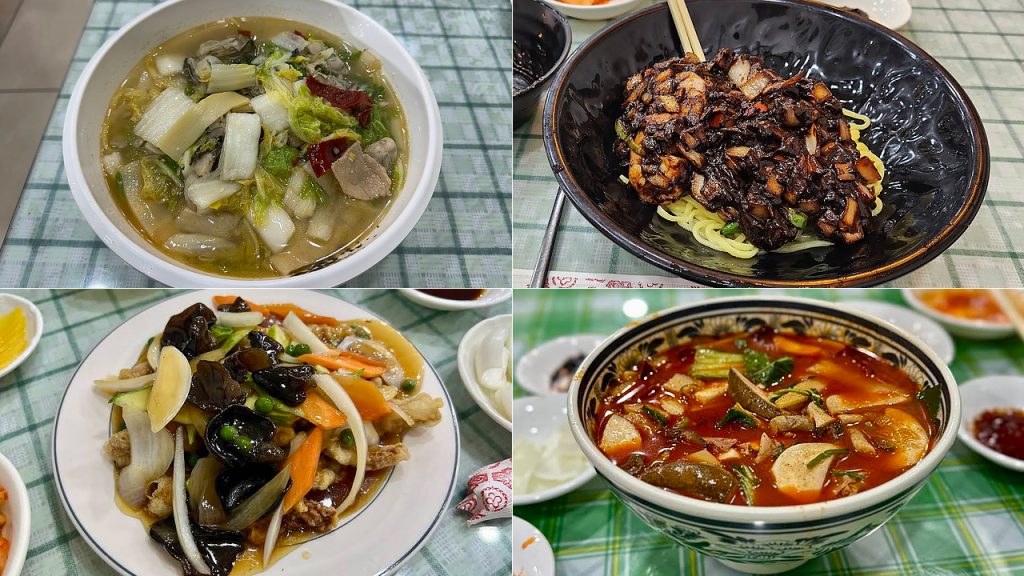
- Signature Dish: Guljjamppong (Spicy Noodle Soup with Oysters)
- Unique Feature: Clear and refreshing broth (개운한 맛)
- Historical Vibe: Evident in old signboards and loyal elderly patrons
The charm of this place is subtle but profound, representing a simpler time yet offering a taste that remains vibrant and popular even today.
It truly is a cultural landmark disguised as a simple neighborhood eatery.
As a Chinese restaurant, its history is intrinsically tied to the early days of Chinese immigration and the subsequent Korean adaptation of the cuisine.
The fact that it survived and thrived through the Korean War and all subsequent decades highlights its status as a culinary pillar in Seoul.
It’s a comfort to know that some places resist the relentless pressure of modernization to maintain their original character and flavors.
Andongjang is a wonderful example of how heritage and great food can perfectly intertwine.

The Winter Delicacy: Unpacking the Legendary Guljjamppong
If Andongjang is a legend, then its signature dish, Guljjamppong, is its masterpiece.
It is this particular dish—a spicy noodle soup featuring fresh oysters—that this historic restaurant is most famous for.
Interestingly, Andongjang is credited as being the birthplace of the Guljjamppong trend, having been the first to create this delectable winter delicacy.
The mere mention of it conjures up images of a steaming bowl on a cold day, a truly perfect harmony of spiciness and refreshing savoriness.
The best part? You can choose between a mild and a spicy variation, allowing you to tailor the experience to your exact taste preference.
This choice ensures that everyone, from those who prefer a gentle warmth to those who seek a fiery kick, can enjoy their famous soup.
But what really sets Andongjang’s Guljjamppong apart from the many others that have followed?
While many contemporary Chinese restaurants in Seoul serve a version of oyster jjamppong that is thick, rich, and intense in flavor, Andongjang’s version is known for its uniquely clear and clean taste (개운한 맛).
This difference in broth is crucial.
Instead of a heavy, overpowering base, their secret lies in using a delicate chicken broth combined with Napa cabbage (얼갈이배추).
This specific combination serves a brilliant dual purpose.
The napa cabbage works wonders to cut through any potential fishiness from the oysters, ensuring that the seafood taste is fresh and pure, not muddy or overwhelming.
The chicken broth, meanwhile, provides a deep yet clean foundation for the soup, creating that signature refreshing finish that keeps regulars coming back.
It’s a masterful balance of ingredients that elevates the dish beyond a simple seafood soup into a truly sophisticated culinary experience.
I personally believe that this clarity is what has allowed the dish to maintain its status for so long.
It’s a flavor that doesn’t rely on trends or excessive seasoning, but on the quality and harmony of its core components.
For those of you who might hesitate at the idea of a seafood soup, the careful preparation here ensures the oysters are purely delicious.
The soup’s ability to warm you from the inside out makes it an indispensable seasonal favorite, truly deserving of the title ‘winter delicacy.’
According to one regular patron’s review, the Guljjamppong is often the first thing that comes to mind the day after a night out. The clear, refreshing broth (개운한 맛) is considered the perfect remedy to start your day or recover from a long evening.
The noodles themselves are perfectly cooked to complement the rich broth, absorbing just enough flavor without becoming soggy.
Whether you choose the basic Guljjamppong at 12,000 KRW or explore other Jjamppong variations, the standard of quality is consistently high across the board.
If you visit during the cooler months, you will see almost every table with a bowl of this steaming oyster soup.
It’s a powerful visual testament to its popularity and its reputation as the perfect seasonal comfort food.
Don’t forget that you have the flexibility to select your spice level, making it a very accessible dish even for those new to Korean spice.
The clear, non-spicy variation is just as celebrated for its deep, comforting flavor profile.

Beyond Oysters: Exploring Andongjang’s Full Menu
While the Guljjamppong is the star, Andongjang offers a comprehensive menu that covers the full spectrum of beloved Korean-Chinese cuisine.
From the essential noodles to specialized rice and savory soup dishes, there is something for every craving and budget.
Let’s start with the dish that started it all in Korea: Jajangmyeon.
This is the iconic dish that immigrants adapted, blending Chinese bean paste with caramel and water to make it the sweet, savory staple that remains a favorite across generations.
The history of Jajangmyeon here is deep, originating from the Chinese ‘Zha Jiang Mian’ but truly finding its local identity through places like this.
It was the representative food of common people, often associated with important, yet humble, occasions like moving day.
The menu at Andongjang is extensive, featuring several variations of the core dishes.
I’ve compiled the detailed prices for you below, using the latest available price list.
Andongjang Menu & Prices (In Korean Won)
| Category | Dish Name | Price (KRW) |
|---|---|---|
| Noodles | Jajangmyeon | 8,000 |
| Ganjajang | 10,000 | |
| Samseon Ganjajang / Beef Songi Jajang | 11,000 | |
| Guljjamppong / Spicy Guljjamppong / Songi Jjamppong / Spicy Songi Jjamppong | 12,000 | |
| Jjamppong | 10,000 | |
| Samseon Jjamppong / Spicy Samseon Jjamppong / Samseon Ulmyeon / Samseon Udon | 11,000 | |
| Gismyeon | 7,000 | |
| Rice Dishes | Japchae Bap / Mapadubu Bap | 12,000 |
| Lajoyuk Bap / Spicy Meatball Rice | 14,000 | |
| Japta Bap / Yusanseul Bap | 16,000 | |
| Beef Songi Fried Rice / Samseon Fried Rice / Jjamppong Bap | 10,000 | |
| Haeseon Bokkeummyeon (Seafood Stir-fried Noodles) | 16,000 | |
| Samseon Udon | 11,000 | |
| Soups | Gyerantang (Egg Soup) | 18,000 |
| Nurungji Tang (Scorched Rice Soup) | 62,000 |
Notice the pricing for the signature Guljjamppong stands at 12,000 KRW, a very reasonable price for such a popular, historically significant, and ingredient-rich dish.
Their Jajangmyeon is also priced accessibly at 8,000 KRW, upholding the dish’s tradition as a food for all people.
Beyond the standard noodles, you can explore the ‘Samseon’ variations, which typically denote the inclusion of mixed, high-quality seafood, such as the Samseon Jjamppong or Samseon Ganjajang.
These are perfect for those who want a more luxurious seafood experience.
For rice lovers, the selection is equally diverse, featuring everything from the classic Japchae Bap (rice topped with stir-fried glass noodles) to the more elaborate Yusanseul Bap (rice topped with shredded meat and seafood in a thick sauce).
There’s a delicious range of complexity and flavor profiles to satisfy any visitor.
The higher-priced soup dishes like the Nurungji Tang (Scorched Rice Soup) are often shared among groups and are generally considered premium dining options, reflecting their ingredients and preparation complexity.
Exploring this diverse menu is truly a pleasure, offering a taste of both classic street food and more formal dining.
Planning Your Visit: Hours, Location, and Experience
Ready to experience Andongjang’s legendary flavors?
Here is all the essential information you need to plan your visit to this historic spot in Seoul.
Operating Information at a Glance
🕰️ Hours of Operation
- Weekdays: 11:30 – 21:00 (KST)
- Weekends: 11:30 – 20:00 (KST)
- Last Order: Generally ends 30 minutes before closing.
📞 Contact & Holidays
- Phone: +82-2-2266-3814
- Holidays: Closed Seollal (Lunar New Year) & Chuseok (Korean Thanksgiving).
The restaurant’s structure is quite large, spanning three floors (1-3 floors), which is uncommon for a Chinese restaurant of this age.
This multi-story layout helps them manage a relatively high volume of customers.
A notable advantage of its scale is the fast food turnover, meaning you usually won’t have to wait excessively long for your meal, even during busy periods.
A key point for planning your visit is that on weekdays, you can generally get a table without a long waiting time, which is a big plus in a busy metropolitan area like Seoul.
Their location makes it incredibly accessible via public transportation, nestled in the heart of Jung-gu.
The official address is: 04550 124, Eulji-ro, Jung-gu, Seoul.
Getting There: Transportation Guide
- Take Subway Line 2 or Line 3 to Euljiro 3(sam)-ga Station.
- Use Exit 10.
- The restaurant is located approximately 70 meters from the exit.
Please remember that Andongjang is officially CLOSED on major Korean traditional holidays: Seollal (Lunar New Year) and Chuseok (Korean Thanksgiving). Plan your visit around these dates to avoid disappointment.
Knowing the precise location and accessibility via the subway makes this a very convenient destination for both tourists and locals.
The close proximity to Exit 10 means you won’t have to wander far to find your delicious bowl of Guljjamppong.
The distinct operating hours for weekdays (closing at 21:00) and weekends (closing an hour earlier at 20:00) is important to note, especially for late-evening diners.
Make sure to check your watch and get your last order in well before the closing time.

Interactive Feature: Estimated Meal Cost Calculator
If you are visiting from abroad, converting prices in your head can be a hassle!
I’ve included a quick calculator here to help you estimate the cost of your meal in your preferred foreign currency, using an estimated exchange rate.
Please note this calculator uses a fixed, sample exchange rate of 1 USD = 1350 KRW for demonstration purposes only.
The actual conversion rate when you visit may vary, so please treat this as an approximation!
KRW to USD Cost Estimator (1 USD = 1350 KRW)
The ability to quickly visualize the price in a more familiar currency can certainly help with budgeting while traveling.
Feel free to plug in the price of any menu item, from the 7,000 KRW Gismyeon to the 62,000 KRW Nurungji Tang.
Using this tool, you can see that a full meal at Andongjang is not only rich in history but also very affordable compared to similar-quality dining experiences in many major international cities.
It’s a true culinary bargain for the quality and heritage you receive!
Find Your Way to the 1948 Taste (Map)
To make your journey to Andongjang as smooth as possible, here is the location information presented visually.
The restaurant is located in the central Jung-gu district, making it a convenient stop during a day of exploring Seoul.
This map will guide you directly to the entrance, ensuring you don’t waste any time finding your way.
Remember, it’s just a short walk, about 70 meters, from Euljiro 3(sam)-ga Station Exit 10.
The central location of Andongjang also means that it is easily integrated into a larger Seoul itinerary.
You can enjoy a meal here before or after visiting other nearby cultural or business districts.
Final Thoughts: A Taste of History
Andongjang is truly a rare gem in Seoul’s fast-paced culinary world, standing strong since 1948.
It offers a unique opportunity to taste history through the simple, comforting flavors of its signature Guljjamppong and classic Korean-Chinese staples.
Whether you are a noodle enthusiast, a history buff, or just looking for a genuinely great meal, this restaurant promises a rewarding experience.
I highly recommend a visit, especially on a chilly day, to enjoy the clear, refreshing broth of the original oyster noodle soup! 😊
Don’t forget to check the operating hours—especially the earlier closing time on weekends—and make sure your travel plans avoid Seollal and Chuseok.
Have you visited Andongjang before? Let me know your favorite dish in the comments below!