

I had just landed at Incheon with that weird mix of excitement and panic—my phone was at 9%, my suitcase felt twice as heavy as it did at home, and I kept thinking, “If I pick the wrong transfer, I’m going to lose an hour and my mood.”
I made a rookie mistake right away: I followed a crowd, went down the wrong escalator, and ended up staring at signs I couldn’t decode fast enough. My brain went into airplane-mode even though the flight was over.
That night taught me something I now tell every friend: getting from Incheon Airport to Seoul isn’t hard, but it’s easy to choose the “wrong” option for your specific situation—especially if you’re tired, arriving late, traveling with kids, or dragging luggage that doesn’t roll straight.
So I tested the three most common ways—AREX, limousine bus, and taxi—and I’m going to walk you through what each one actually feels like, what it costs right now, and how I decide in real life (not in theory).
Incheon Airport to Seoul: 3 Options Compared
What I Wish I Knew Before Choosing
The biggest mistake I used to make was choosing based on “cheapest” instead of “cheapest for my energy.”
After landing, my real currency is patience. If I’m mentally fresh, I’ll happily optimize price.
If I’m fried, I’ll pay a little more to avoid extra walking, stairs, or one more decision.
• If I need predictable timing → I go AREX.
• If I have big luggage and my hotel is near a major stop → I go limousine bus.
• If it’s late night, I’m with friends/family, or I’m done with society → I split a taxi.
One more thing: “Seoul” is huge.
The best option changes depending on whether you’re headed to Seoul Station, Myeongdong, Hongdae, Gangnam, or somewhere that needs two subway transfers.
So in this guide, I’ll anchor everything to the most common reference point—central Seoul—and I’ll show you how I adjust from there.

AREX: How I Actually Did It (Without Losing My Mind)
The first time I used AREX, I expected confusion.
Instead, what surprised me was how “airport-logical” it felt once I slowed down and followed the signs.
My only problem was me—moving too fast, second-guessing, and trying to multitask with my suitcase.
Step-by-step: what I do after baggage claim
1) I take a breath, then follow signs for the Airport Railroad / AREX area.
2) If I have luggage (I usually do), I choose the elevator route whenever it’s available.
3) I decide between Express Train and the All-Stop Train based on where I’m going next—not just on price.
I once assumed “AREX = one train,” then realized too late that I was holding the wrong type of ticket for my plan.
Now I always ask myself one question: “Do I need a guaranteed seat?”
If yes → Express is calmer.
If no → All-stop is totally fine and cheaper.
What it feels like on board (the stuff people don’t mention)
When I’m traveling alone, the Express Train feels like permission to stop “performing competence.”
I sit down, breathe, and let Seoul come to me.
If you’re the kind of traveler who arrives already overstimulated, this matters more than you think.
If you do take the all-stop train, it can still be very comfortable.
But I learned that luggage space fills up faster than you’d expect, so I don’t wander—I pick a spot and “claim” a luggage area early.
• I keep my ticket/QR ready before I reach the gate (no bag-digging at the worst time).
• I walk with purpose to a luggage rack area and park my suitcase first.
• If I’m transferring at Seoul Station, I budget a few extra minutes for elevators—especially with a big suitcase.
• When I’m low on battery, I sit where charging access is easiest (and I bring my own cable).
• If I’m unsure, I follow station staff rather than the “fastest-looking” crowd.

Limousine Bus: The “No Transfers” Comfort Pick
The limousine bus is the option I recommend to people who hate stairs, hate dragging luggage, and hate unnecessary cardio.
After a long flight, I’ve had days where my suitcase felt like it was filled with regret.
On those days, a bus that stores luggage underneath and drops me close to my hotel feels like luxury.
How I use it in real life
I treat the limousine bus like a “moving waiting room.”
I can drink water, re-check my hotel address, and mentally switch from airport-mode to city-mode.
It’s also the easiest option if I’m traveling with family members who don’t want subway complexity.
The trade-off is that the bus plays by road rules, not train rules.
If you hit rush hour, the same route can feel like a slow-motion tour of every traffic light in Korea.
• I choose this when I value door-to-door simplicity more than “fastest possible.”
• I aim for a bus route that stops near my hotel (not “kind of near”).
• I buy/prepare my fare early so I’m not fumbling at the boarding area.
• If I have extra bags, I check luggage rules ahead of time to avoid surprise fees.
• I keep one small “essentials bag” with me (passport, charger, snacks) because my main luggage goes under the bus.
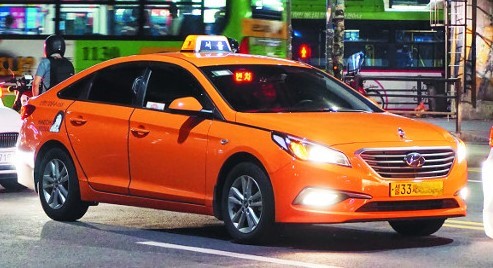
Taxi: The “I Need Sleep Now” Option
If you’ve never landed in a new country at night, let me paint the mood.
The lights are bright, the terminal feels endless, and your brain is convinced you’ll accidentally do something wrong.
That’s when taxis become emotionally appealing.
I won’t pretend taxis are always “cheap.”
Typically, a taxi from Incheon Airport to downtown Seoul costs around KRW 60,000–90,000. In my case, it came out to about KRW 76,000.
Please note that late-night surcharges apply in the Seoul–Incheon metro area. The surcharge period runs from 10:00 PM to 4:00 AM.
• 11:00 PM–2:00 AM: Up to a 40% surcharge (highest rate)
• 10:00 PM–11:00 PM and 2:00 AM–4:00 AM: 20% surcharge
If you take a taxi during these hours, the fare can increase significantly, so plan accordingly.
But I will say this: when you split a taxi with 2–4 people, the price per person can feel surprisingly reasonable compared to everyone buying separate tickets.
And nothing beats the feeling of being dropped off exactly where you need to be—no transfers, no stairs, no extra walking with a suitcase that hates you.
• Taxi cost is metered, and traffic matters.
• There can be late-night surcharges.
• Tolls may be added depending on the route.
Because of that, I decide upfront: am I paying for speed, comfort, or just fewer decisions?
Time vs Money: My Real-World Calculation
Here’s how I compare options without overthinking.
I build three “travel personas” and do the math in a way that’s easy to repeat.
🧮 Scenario 1: Solo traveler to central Seoul
Option A (AREX Express): KRW 13,000
Option B (AREX All-stop): KRW 4,750–5,350 (depends on terminal)
Option C (Limousine Bus example): KRW 17,000
My honest conclusion: if I’m arriving during a busy time or I have a schedule, I pay for Express. If I’m not rushed, all-stop wins on value.
🧮 Scenario 2: Two people + two big suitcases
AREX Express: 13,000 × 2 = KRW 26,000
Limousine Bus (example): 17,000 × 2 = KRW 34,000
Taxi (shared): Metered + tolls (variable)
My “quick logic”: If the bus stop is close to my hotel, I’ll pay the extra bus cost because it saves me the effort of transferring with luggage.
If my hotel requires multiple subway transfers after Seoul Station, I start leaning taxi—especially if we’re both tired and it’s late.
🧮 Scenario 3: Family of 3, stroller, late arrival
AREX Express: 13,000 × 3 = KRW 39,000
Limousine Bus: 17,000 × 3 = KRW 51,000
Taxi: Metered + tolls, but one vehicle can carry your “whole situation” in one go.
My honest conclusion: at night, with a stroller, taxi becomes the calmest option even if it’s not the cheapest—because it reduces moving parts.

Mistakes I Made (So You Don’t)
I used to think travel skill meant moving fast.
Now I think travel skill means moving clearly.
Here are the mistakes I actually made (and how I fixed them).
1) I underestimated “last 10 minutes.”
The last 10 minutes—finding the right gate, finding the right platform, locating the right exit—always takes longer when I’m tired.
2) I didn’t plan my Seoul-side transfer.
Getting to Seoul Station is only half the game. If my hotel needs two subway transfers after that, Express doesn’t automatically mean “fastest door-to-door.”
3) I let my battery drop too low.
When my phone is dying, every sign looks more stressful. Now I bring a small power bank and treat it like a passport-level essential.
Luggage, Late Night, Kids: What Worked Best for Me
If you’re traveling light and you enjoy trains, AREX is my default.
If you’re traveling heavy and you want simplicity, the limousine bus is my comfort pick.
And if you’re traveling late, drained, or with a family “logistics stack,” taxi becomes the option that preserves peace.
• If my arrival is late: I prefer fewer transfers.
• If I have a stroller or mobility needs: I prioritize elevators and door-to-door options.
• If my hotel is near a major bus stop: limousine bus feels effortless.
• If we’re 3–4 people: I always check whether a taxi split is smarter than separate tickets.
• If it’s rush hour: trains feel emotionally faster even when the clock is similar.
My Incheon → Seoul Transfer Cheat Sheet
Check the real-time flight status and official airport notices:
Visit Official Incheon Airport WebsiteFAQs I Get All the Time
🇰🇷 Essential Official Websites for Traveling to Korea
Apply for Korea Electronic Travel Authorization (K-ETA)
and check official notices before entering Korea.
Official Korail website for international travelers.
Book KTX and other train tickets online.
Guide to KTX reservations, refunds, ticketing rules, and boarding procedures.
View Ticket GuideTicket types, eligibility, and terms for unlimited train travel in Korea.
Check Korail Pass
These buttons link to official tourism websites. They open in a new tab.


