Have you ever felt that craving for something authentically traditional, a taste that whispers stories of a bygone era and a homeland far away? I know I have, and when that feeling strikes, there’s nothing quite like searching for a place that truly preserves the soul of a specific regional cuisine.
It’s an adventure, isn’t it?
In the bustling heart of Seoul, near the modern skyscrapers of City Hall, there lies a remarkable restaurant that offers exactly that: a deeply personal and savory experience of North Korean (Ibuk-sik) food.
We are talking about Ibuk Mandu (이북만두), a culinary landmark that has been serving up comfort and nostalgia for generations.
When you step into this place, you’re not just getting a meal; you’re receiving a piece of history, the warm welcome of an owner who carries the taste of her hometown in every dumpling she makes.
I am so excited to walk you through the entire experience, from the moment you find this hidden gem to the last spoonful of its famous Kimchi-mari-bap.
It truly is a must-visit spot for anyone looking for that clean, simple, and utterly satisfying flavor that is the hallmark of northern Korean cooking. Let’s explore Ibuk Mandu together! 😊

The Timeless Charm and Deep History of Ibuk Mandu
Finding Ibuk Mandu is an experience that instantly transports you away from the hyper-modern energy of Seoul.
You begin by navigating the alleys nestled amidst the giant, towering “building forest” near City Hall.
This winding journey makes the eventual discovery of the restaurant all the more rewarding.
The moment you see the traditional tiled-roof house (Giwa-jib), which is a renovated Hanok, you genuinely feel like you have traveled back in time.
It stands in stark contrast to its surroundings, a steadfast piece of history that offers a warm, welcoming atmosphere.
Eating a meal in a place that bears the visible traces of time is a much more satisfying experience than dining in a sleek, new establishment.
This is not just a building with history; it is a repository of culinary tradition.
Ibuk Mandu has been serving the public from this exact location since 1990, a commitment that means it has been successfully operating for nearly 35 years.
The owner, often seen diligently making the dumplings, started the business out of a deep yearning for the flavors of her North Korean hometown after coming down to the South.
When I hear stories like this, it makes me appreciate the food even more, knowing that every dish is a labor of love and memory.
The tradition is personal, passed down through the family.
The owner has continued her mother’s expertise, offering traditional North Korean style Mandu-guk (dumpling soup) and meat pancakes (Gogi-jeon).
This commitment to preserving the authentic, simple flavors of the North is what has created the constant line of diners seeking that nostalgic taste of home.
It’s a place where you can savor not just food, but a piece of cultural continuity.
Ibuk Mandu has been at its current location since 1990. The restaurant’s building is a renovated Hanok with a tiled roof, which creates a highly unique and traditional dining atmosphere in the modern City Hall area. This long history is a testament to the consistency and quality of their authentic North Korean cuisine.
The Dumpling Difference: Understanding Ibuk Mandu’s Unique Style
At the heart of the menu is the North Korean style dumpling, or Ibuk-sik Mandu.
These are distinct from the more heavily seasoned, richer dumplings you might find elsewhere in Seoul.
The key characteristic here is the ‘seum-seum’ (슴슴) flavor—plain, subtly savory, and incredibly clean.
The dumplings are renowned for their size, famously described as being as large as an adult’s fist.
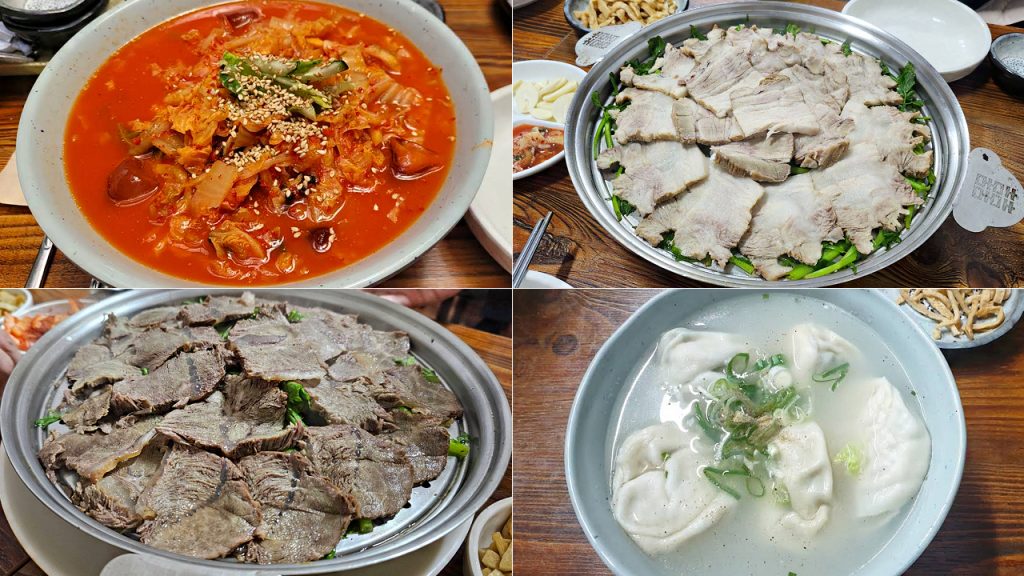
A standard individual serving, whether it’s the Mandu-guk or the Jeopsi Mandu, typically contains three of these massive dumplings, ensuring a hearty and satisfying meal.
I find this generous portion size reflects the traditional hospitality often associated with this kind of food.
The Filling: A Study in Clean Flavors
The filling is what truly sets these dumplings apart.
It is prepared using a combination of tofu and vegetable stuffing, which is the source of its mild, clean flavor.
Crucially, the filling also incorporates mung bean sprouts (sukju-namul) and various types of meat.
This combination results in a taste that is both rich yet perfectly clean, an amazing balance that is hard to achieve.
For those who prefer a little more spice, the menu also includes Kimchi Jeopsi Mandu, which uses the same essential structure but incorporates kimchi into the filling.
However, the true delicacy for many is the original, subtly flavored dumpling.
The Unique Gulim Mandu
A particularly unique North Korean specialty available here is the Gulim Mandu (굴림만두), or ‘rolled dumpling’.
This style is distinct because it is made by excluding the thick dumpling wrapper entirely.
Instead, the savory inner filling is simply rolled, focusing all the texture and flavor onto the carefully seasoned ingredients—the tofu, vegetables, and meat mixture.
If you want to experience the pure, unadulterated flavor of the North Korean filling, the Gulim Mandu is the perfect choice.
This dedication to diverse but authentic dumpling preparation means whether you order the Mandu-guk, the simple Jeopsi Mandu, or the grand Mandu-jeongol, you are tasting a specific, cherished regional tradition.
Because the food is so highly regarded, the restaurant is known to be extremely busy during peak lunchtime hours. If you are planning to eat lunch, be prepared for a queue. This popularity is a strong indicator of the high quality and authentic flavor of their food.

Kimchi-mari-bap: The Refreshing House Specialty
While Ibuk Mandu excels at dumplings, it is equally, if not more, famous for its Kimchi-mari-bap (김치말이밥).
This dish has secured its place as an extremely popular menu item, celebrated for its cool and impeccably clean flavor.
It’s one of those simple dishes that manages to be incredibly satisfying, proving that complex preparation is not always necessary for culinary excellence.
It is particularly sought after as a summer delicacy (여름 별미), and I’ve heard many people rave about it being the perfect hangover cure (해장용) because it soothes and refreshes the stomach.
The execution is beautifully simple, focusing entirely on the quality of the main ingredients.
The Secret: Pyeong-an Style Kimchi
The construction of the dish is as follows: cold rice is mixed and served in a broth made from a mixture of kimchi and water, perfectly seasoned and served with chilly ice.
It is minimally garnished with cucumber and a drizzle of delicious sesame oil.
It might sound deceptively simple, but the taste is surprisingly profound and addictive.
The absolute key to its unique taste is the Pyeong-an Province style kimchi used for the broth.
The kimchi soup is incredibly cool and refreshing, with a subtle spiciness that lifts the flavor without overwhelming the palate.
It is not excessively sour or heavily flavored with seasoning; rather, the balance of flavor is achieved in a subtly appropriate (묘하게 적당한) manner.
This delicate balance is characteristic of the Pyeong-an style of preparation.
The popularity of this specific kimchi is so high that the restaurant even sells it to customers by the kilo, which is a fantastic testament to its flavor and quality.
If you love clean, refreshing food, this dish is an absolute necessity on your order.
For an ideal combination, many patrons pair the Kimchi-mari-bap, known for its cool, clean taste, with the warm, savory Jeopsi Mandu or the Gogi-jeon (meat pancake). The contrast provides a balanced and authentic North Korean dining experience.
Exploring the Diverse Ibuk Mandu Menu
Ibuk Mandu’s menu extends far beyond its signature dumpling and cold rice dishes.
It offers a comprehensive look at the range of North Korean-style cuisine, suitable for various appetites and group sizes.
The offerings are quite diverse (다채로운), but the unifying factor is the emphasis on subtle, simple, and high-quality preparation.
Hearty Hot Pots and Traditional Pancakes
For group dining, the Mandu-jeongol (Dumpling Hot Pot) is an excellent choice.
It is designed to be plentiful and deeply flavored.
The pot is generously filled with large dumplings, along with plenty of vegetables like bean sprouts and water parsley (minari), and meat, offering a rich and satisfying broth.
It’s a perfect centerpiece for a communal meal.
If you are looking for side dishes or snacks to accompany drinks, the restaurant offers various jeon (pancakes).
The popular options include Bindaetteok (mung bean pancake) and Gochu-jeon (chili pepper pancake).
For a tasting experience, you can order the Modeum-jeon (assorted pancakes).
The Gogi-jeon (meat pancake) is also available, prepared following the owner’s inherited recipe from her mother.
Meat Dishes and Noodle Variations
The menu also includes savory meat dishes that serve well as anju (food eaten with alcohol).
You can order Bossam (boiled pork slices) or the warming Suyuk-jeongol (boiled meat hot pot).
These dishes maintain the overall clean and satisfying flavor profile of the North Korean tradition.
Finally, for noodle enthusiasts, the Kimchi-mari flavor is also available as a noodle dish.
The Kimchi-mari-guksu offers the same beloved, cool, and subtly spicy Pyeong-an style kimchi broth, but with refreshing cold noodles instead of rice.
This variety ensures that everyone finds a dish that suits their preference while still exploring the depth of Ibuk-sik cuisine.

Full Menu and Pricing Guide
This comprehensive list of menu items and prices will help you plan your dining experience, allowing you to easily choose your Mandu and side dishes.
Note that the Mandu and Mandu-guk items, like Ibuk Mandu Soup and Jeopsi Mandu, contain the large, fist-sized dumplings.
| Menu Item (English) | Menu Item (Korean) | Price (KRW) |
|---|---|---|
| Ibuk Mandu Soup (Dumpling Soup) | 이북만두국 | 13,000 |
| Kimchi-mari-bap (Kimchi Mixed Cold Rice) | 김치말이밥 | 11,000 |
| Mandu Jeongol (Dumpling Hot Pot – Medium) | 만두전골(중) | 35,000 |
| Mandu Jeongol (Dumpling Hot Pot – Large) | 만두전골(대) | 40,000 |
| Modeum Jeon (Assorted Pancakes) | 모듬전 | 35,000 |
| Ttukbaegi Mandu (Dumpling in Earthenware Pot) | 뚝배기만두 | 13,000 |
| Gulim Kimchi Jeopsi Mandu (Rolled Kimchi Dumpling Plate) | 굴림김치접시만두 | 14,000 |
| Jeopsi Mandu (Dumpling Plate) | 접시만두 | 13,000 |
| Kimchi-mari-guksu (Kimchi Mixed Cold Noodles) | 김치말이국수 | 11,000 |
| Gulim Mandu Soup (Rolled Dumpling Soup) | 굴림만두국 | 13,000 |
| Bindaetteok (Mung Bean Pancake) | 빈대떡 | 20,000 |
| Gochu-jeon (Chili Pepper Pancake) | 고추전 | 20,000 |
| Bossam (Boiled Pork Slices) | 보쌈 | 30,000 |
| Suyuk Jeongol (Boiled Meat Hot Pot) | 수육전골 | 50,000 |
| Gogi-jeon (Meat Pancake) | 고기전 | 25,000 |
This diverse menu means Ibuk Mandu can cater to almost any mood.
Whether you’re looking for a quick, authentic lunch or a festive evening gathering with communal dishes like the Mandu-jeongol, you’ll find a genuine taste of North Korean culinary heritage here.
Essential Visitor Information and Location Guide
Planning your visit is key to enjoying the Ibuk Mandu experience without unnecessary delays.
The restaurant’s secluded location makes it a charming discovery, but you need to know the operating hours to avoid the mid-day break or missing the last order.
Operating Hours and Contact
- Weekdays (Mon – Fri): 11:00 AM ~ 9:00 PM (21:00)
- Weekends (Sat – Sun): 10:30 AM ~ 8:00 PM (20:00)
- Break Time: 2:30 PM ~ 5:00 PM (14:30 – 17:00) – Always check the time before arriving.
- Closed Days: Closed on major national holidays (명절).
- Phone Number: 02-776-7361
Location and How to Get There
Ibuk Mandu is conveniently located right in the city center, yet perfectly hidden for a tranquil dining experience.
It’s an easily accessible destination via Seoul’s efficient subway system.
- Address: 04520 Seoul Jung-gu Mugyo-ro 17-13 (Mugyo-dong)
-
Directions: Take Subway Line 1 or 2 to City Hall Station (시청역).
Use Exit 4, and the restaurant is just 219 meters from the exit.
Interactive Map for Ibuk Mandu
Use the button below to view the restaurant’s location directly on Google Maps:
View on Google MapsMap Preview:

Final Thoughts: A Truly Authentic Taste of the North
Ibuk Mandu is more than just a place to eat; it’s an immersive cultural experience and a powerful testament to the preservation of flavor and tradition.
Its nearly 35-year history in the same, charming Hanok location, combined with the owner’s personal story of bringing the taste of her North Korean hometown to Seoul, gives it a unique soul.
I love that places like this still exist, offering a quiet, authentic corner amidst the modern city chaos.
Whether you are drawn by the clean, savory simplicity of the fist-sized Ibuk Mandu, the unique, wrapper-less Gulim Mandu, or the legendary, refreshing Kimchi-mari-bap, you will not leave disappointed.
Every dish is prepared with a mastery that speaks to generations of culinary expertise, all centered around the subtly perfect flavor of Pyeong-an style kimchi.
It truly stands out for its honest, clean, and heartfelt food.
So, take the short walk from City Hall Station, step away from the skyscraper jungle, and allow yourself to be welcomed into the time-honored warmth of Ibuk Mandu.
Go on a day when you crave something clean and satisfying, and I promise you, this will be an unforgettable addition to your Seoul culinary journey.
Enjoy every authentic, savory bite! 😊
Frequently Asked Questions (FAQ)